When homeowners in Fredericksburg and Stafford start planning a new driveway, one of the first questions is whether concrete truly performs better than asphalt or gravel in this region. The short answer: for most properties, yes—and the reasons come down to climate, soil conditions, longevity, and long-term value.
How Virginia’s Climate Impacts Driveways
Central and Northern Virginia experience all four seasons, including hot summers, cold winters, and frequent freeze–thaw cycles. These conditions are especially hard on driveway surfaces.
- Asphalt softens in extreme heat and becomes brittle in cold weather, making it more prone to cracking and surface breakdown.
- Gravel shifts during heavy rain and freezes, often requiring frequent regrading and replenishment.
- Concrete, when installed correctly, remains stable through temperature changes and resists deformation over time.
For areas like Fredericksburg and Stafford—where winter freezes and summer heat both come into play—concrete offers a more consistent, dependable surface.
Concrete vs. Asphalt: Longevity Matters
One of concrete’s biggest advantages is its long lifespan.
- A properly installed concrete driveway can last 30–40 years or more
- Asphalt driveways often require resurfacing or replacement after 15–20 years
- Gravel driveways may need attention almost yearly to maintain appearance and function
While concrete has a higher upfront cost, homeowners often find it more cost-effective long term, especially when factoring in reduced maintenance and repair needs.
Soil and Drainage Considerations
The local soil composition in parts of Stafford and the Fredericksburg area can shift with moisture and seasonal changes. Concrete driveways are installed with proper base preparation, reinforcement, and expansion joints, helping manage soil movement beneath the slab.
In contrast:
- Gravel is easily displaced by runoff and vehicle traffic
- Asphalt relies more heavily on flexible movement, which can lead to dips and cracking over time if the base isn’t perfect
A professionally poured concrete driveway can also be graded precisely to direct water away from the home, reducing erosion and drainage issues.
Maintenance and Appearance
Concrete driveways require minimal upkeep. Occasional cleaning and sealing keep them looking sharp and protected from staining. Asphalt, by comparison, needs regular sealing and patching, while gravel can become rutted, weedy, and uneven.
From a visual standpoint, concrete also offers more flexibility. Homeowners can choose:
- Broom-finished concrete for a clean, classic look
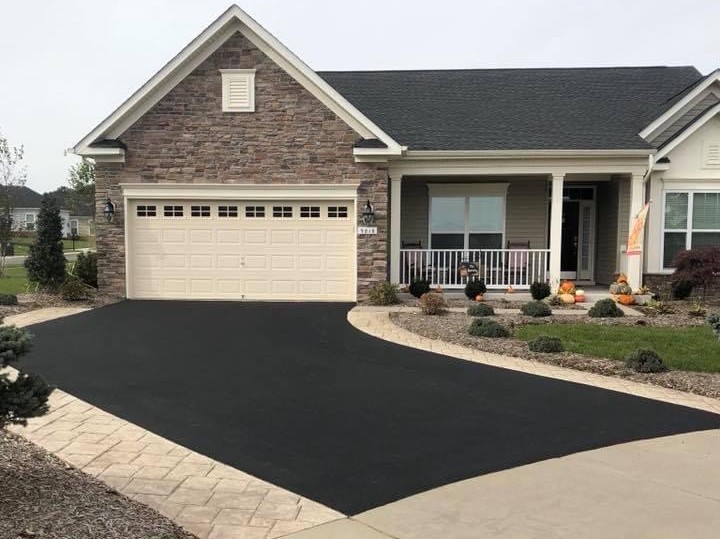
- Decorative edges or stamped finishes for added curb appeal
This is especially appealing in neighborhoods where appearance and property values matter.
Home Value and Neighborhood Appeal
In both Fredericksburg and Stafford, a concrete driveway is often seen as a premium improvement. It complements brick homes, newer construction, and rural properties alike, adding a polished, permanent feel that appeals to buyers.
Concrete driveways signal durability, low maintenance, and quality installation—features that can positively influence resale value.
The Bottom Line
For homeowners in Fredericksburg and Stafford, concrete is often the best all-around choice for a new driveway. It holds up better to Virginia’s weather, lasts longer than asphalt or gravel, requires less maintenance, and enhances curb appeal.
The key is professional installation—from proper grading and reinforcement to curing and joint placement. When done right, a concrete driveway isn’t just a surface to park on—it’s a long-term investment in your property.