Proper Driveway Preparation and Excavation Tips for Reliable Concrete Installation
Preparing a driveway for concrete installation is a critical process that ensures durability and longevity. This guide will provide you with essential tips and steps for proper driveway preparation and excavation, focusing on the necessary techniques and best practices. Many homeowners overlook the importance of thorough site preparation, which can lead to costly repairs and maintenance down the line. By following these guidelines, you can avoid common pitfalls and ensure a solid foundation for your concrete driveway. This article will cover essential steps for driveway preparation, best practices, and common mistakes to avoid, helping you achieve a successful installation.
Essential Steps for Driveway Preparation and Excavation
Proper driveway preparation involves several key steps that must be followed to ensure a successful concrete installation. Each step plays a vital role in creating a stable and durable surface that can withstand the elements and heavy loads.
Site Assessment
A thorough site assessment is the first step in driveway preparation. This involves evaluating the area for drainage and soil conditions. Proper drainage is crucial to prevent water pooling, which can lead to cracks and structural damage. During the assessment, identify existing materials and any potential obstacles that may affect the excavation process.
Permitting
Understanding local regulations regarding permits is essential before beginning any excavation work. In many areas, permits are required for driveway installation, and failing to obtain them can result in fines or the need to redo the work. Check with your local authorities to determine when permits are necessary and ensure compliance with all regulations.
Excavation
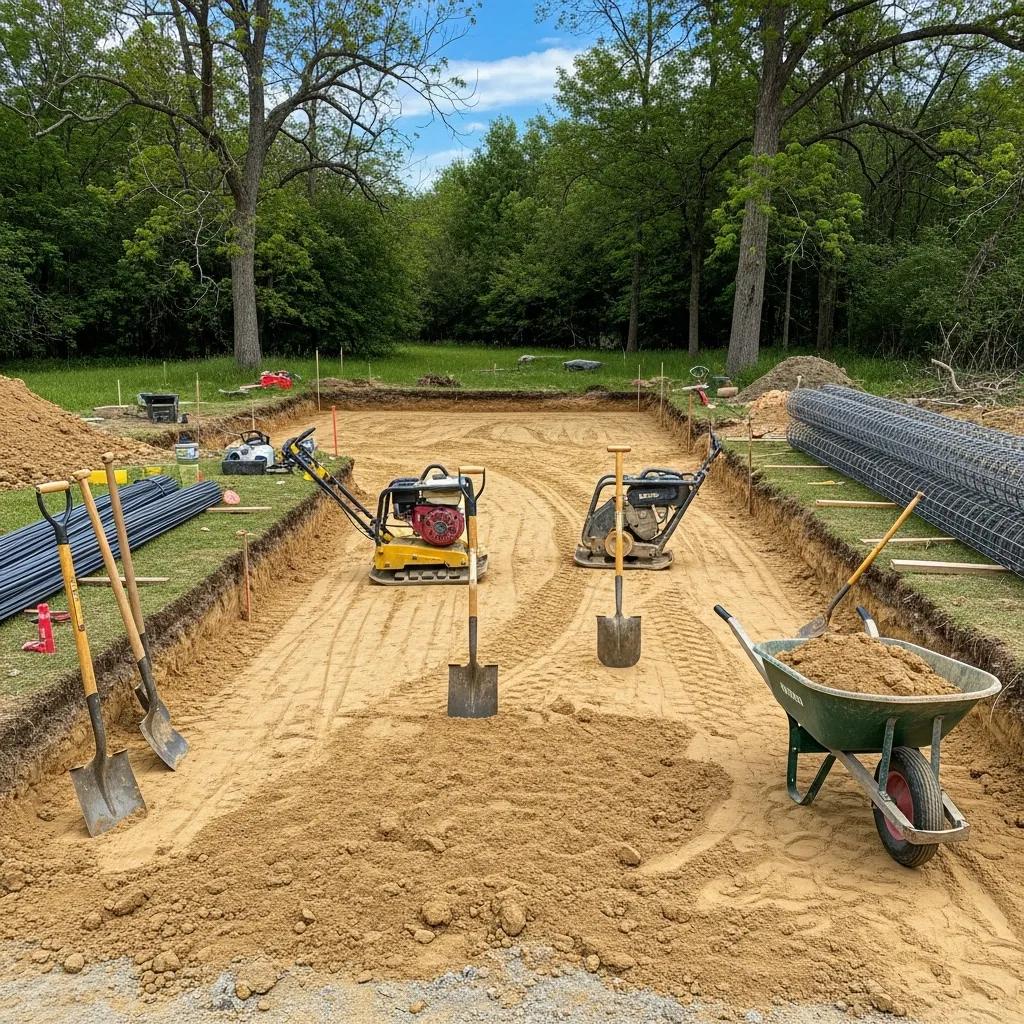
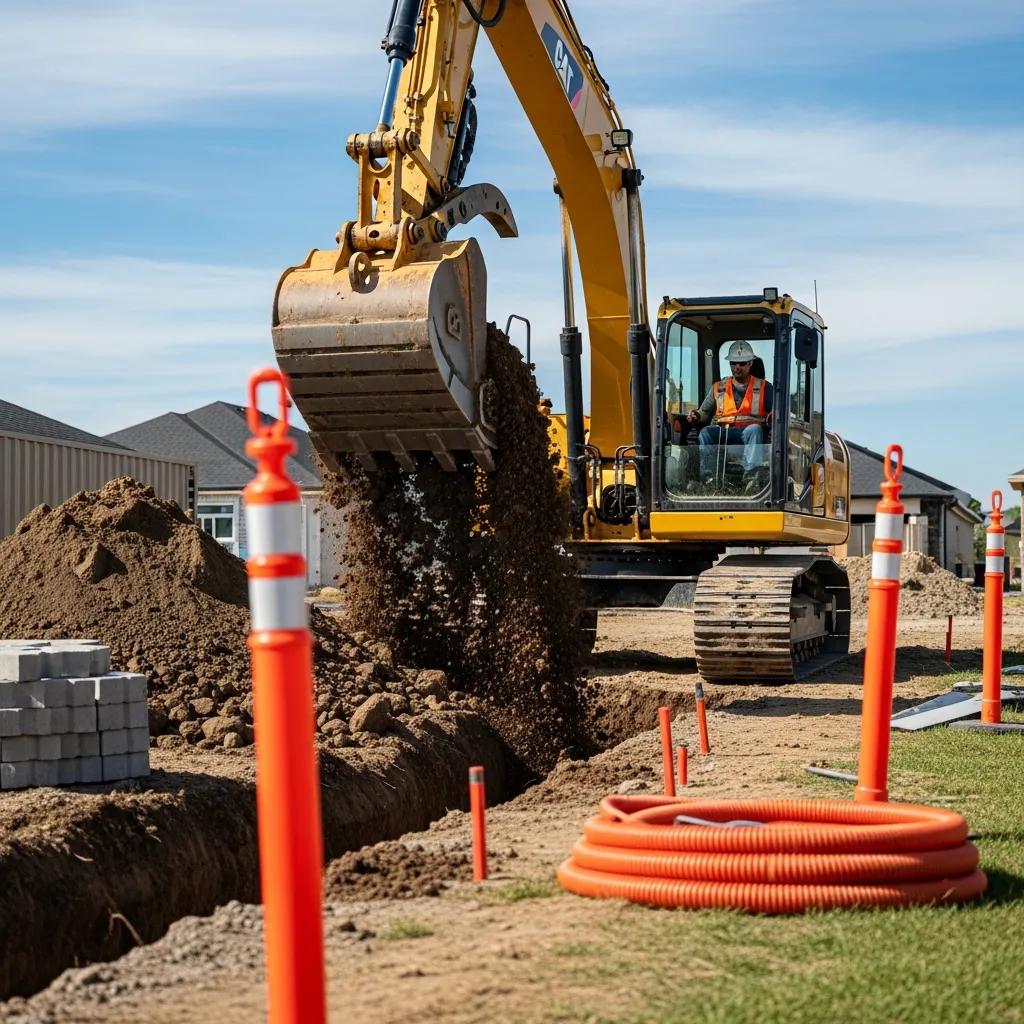
The excavation process involves removing existing materials and preparing the site for concrete. This step requires careful planning to determine the appropriate excavation depth based on the expected load. Use proper excavation techniques and tools to ensure a clean and level surface, which is critical for the longevity of the driveway.
Grading
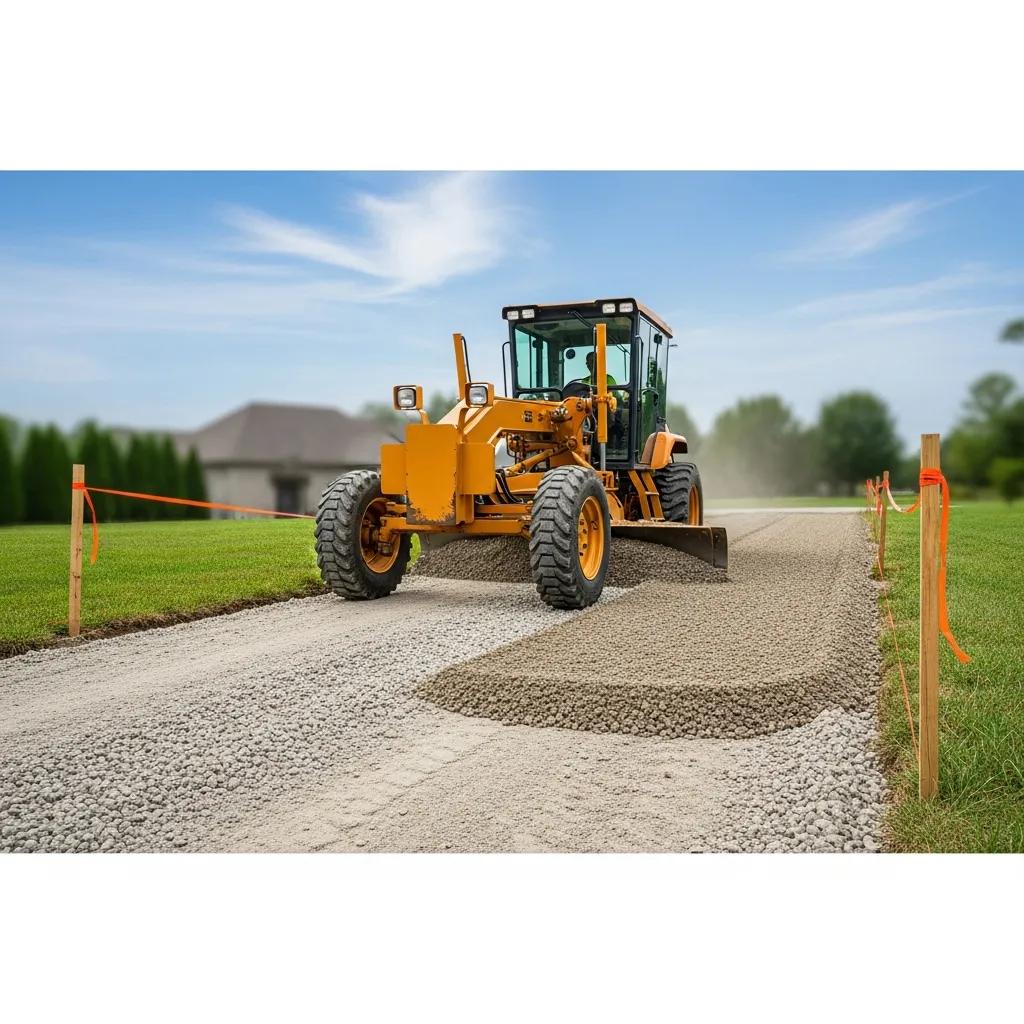
Grading is a vital step in driveway preparation that ensures a solid foundation. It involves creating a level surface and ensuring proper drainage away from the driveway. Effective grading techniques help manage water runoff and prevent erosion, which can compromise the integrity of the driveway over time.
Formwork Installation
Setting up formwork is necessary for concrete pouring. The formwork defines the shape and boundaries of the driveway, ensuring that the concrete is poured accurately. Use quality materials for formwork and ensure that it is installed correctly to prevent any shifting during the pouring process.
Final Checks
Before pouring concrete, conduct final checks to ensure that the site is ready. Inspect the site preparation, confirm drainage plans, and ensure that all materials are in place. These final checks are crucial for a successful installation and can help identify any last-minute issues that need to be addressed.
Best Practices
To achieve the best results in driveway preparation and excavation, consider the following best practices:
- Use Quality Materials: Invest in high-quality concrete and base materials to ensure durability.
- Proper Thickness for Concrete Slabs: Ensure that the concrete slab is thick enough to support the expected load, typically 4-6 inches for residential driveways.
- Effective Drainage Management: Implement drainage solutions to direct water away from the driveway, preventing pooling and erosion.
American Custom Concrete specializes in high-quality concrete driveway preparation and excavation services, ensuring that your project meets all necessary standards and requirements.
Common Pitfalls to Avoid
When preparing a driveway, it’s essential to avoid common mistakes that can lead to problems down the line:
- Inadequate Site Preparation: Skipping the site assessment or failing to properly grade the area can lead to drainage issues.
- Ignoring Local Regulations: Not obtaining the necessary permits can result in fines and project delays.
- Poor Drainage Planning: Failing to implement effective drainage solutions can cause water pooling and damage to the driveway.
After addressing these pitfalls, consider contacting American Custom Concrete for a free estimate and consultation on your driveway services in Fredericksburg.
What Are the Essential Steps in the Driveway Excavation Process?
The driveway excavation process involves several essential steps that ensure a solid foundation for concrete installation:
- Site Assessment: Evaluate the area for drainage and soil conditions.
- Permitting: Obtain necessary permits from local authorities.
- Excavation: Remove existing materials and prepare the site.
- Grading: Create a level surface and ensure proper drainage.
- Formwork Installation: Set up formwork for concrete pouring.
- Final Checks: Conduct inspections before pouring concrete.
How to Conduct Site Clearing and Soil Testing for Driveway Preparation
Site clearing and soil testing are critical components of driveway preparation. Techniques for site clearing include removing vegetation, debris, and any existing structures that may interfere with the installation. Soil testing helps determine the soil’s load-bearing capacity and moisture content, which are essential for ensuring a stable foundation.
Which Excavation Equipment and Techniques Ensure Quality Results?
Using the right excavation equipment and techniques is vital for achieving quality results. Common equipment includes:
- Excavators: For digging and removing soil.
- Compactors: To ensure proper soil compaction.
- Grading Equipment: For leveling the surface.
Employing these tools effectively will lead to a well-prepared site for concrete installation.
How Does Grading Impact Driveway Installation and Longevity?
Grading significantly impacts driveway installation and longevity by ensuring proper drainage and a stable foundation. A well-graded surface prevents water accumulation, which can lead to cracks and structural issues over time. Proper grading techniques create a slope that directs water away from the driveway, enhancing its durability.
What Are Effective Grading Techniques for Proper Drainage?
Effective grading techniques include:
- Creating Slopes: Ensure a slight slope away from the driveway to facilitate water runoff.
- Incorporating Drainage Systems: Use drainage solutions such as French drains or swales to manage water flow.
These techniques are essential for maintaining the integrity of the driveway and preventing water-related damage.
How to Prevent Water Pooling Through Correct Driveway Slope Design?
To prevent water pooling, it’s crucial to design the driveway slope correctly. Aim for a slope of at least 1-2% away from the driveway surface. This slight incline allows water to flow away, reducing the risk of pooling and erosion. Additionally, consider using permeable concrete or drainage channels to further enhance water management.
What Are the Best Driveway Base Materials and Compaction Practices?
Choosing the right base materials and compaction practices is vital for driveway stability. Common base materials include:
- Crushed Stone: Provides excellent drainage and support.
- Gravel: Offers good compaction and stability.
Ensure that the base is compacted properly to create a solid foundation for the concrete slab.
How to Select and Prepare Driveway Subgrade for Concrete Installation?
Selecting and preparing the driveway subgrade involves assessing soil conditions and ensuring proper compaction. The subgrade should be stable and free of organic material. Use a compactor to achieve the necessary density, which is crucial for supporting the concrete slab.
Why Is Soil Compaction Vital for Driveway Stability?
Soil compaction is vital for driveway stability as it increases the load-bearing capacity of the subgrade. Properly compacted soil reduces the risk of settling and shifting, which can lead to cracks and other structural issues in the driveway. Techniques such as using a plate compactor or roller can help achieve the desired compaction levels.
How to Ensure Quality Concrete Driveway Site Preparation?
To ensure quality site preparation for a concrete driveway, follow these steps:
- Conduct a Thorough Site Assessment: Evaluate drainage and soil conditions.
- Obtain Necessary Permits: Ensure compliance with local regulations.
- Excavate and Grade Properly: Create a level surface with effective drainage.
- Install Quality Formwork: Define the shape and boundaries of the driveway.
- Perform Final Checks: Inspect the site before pouring concrete.
What Are the Key Concrete Pouring and Finishing Best Practices?
Key best practices for concrete pouring and finishing include:
- Use High-Quality Concrete: Ensure the mix is suitable for the intended use.
- Pour in Suitable Weather Conditions: Avoid extreme temperatures that can affect curing.
- Finish with Care: Use proper techniques to achieve a smooth surface and prevent defects.
How to Request a Free Estimate and Consultation for Driveway Services in Fredericksburg?
To request a free estimate and consultation for driveway services, contact American Custom Concrete at (540) 845-5381. Provide details about your project, including the size and scope of the driveway, and our team will assist you in planning your installation.