Best Sealer for Stamped Concrete: How to Choose and Apply for Durable, Attractive Results
The best sealer for stamped concrete depends on the look you want and how much protection your surface needs. A quality stamped concrete sealer typically falls into two categories: acrylic sealers, which offer color enhancement and a glossy or matte finish, and polyurethane or epoxy sealers, which offer added durability for higher-traffic areas. Proper surface preparation and application technique matter just as much as the sealer itself. American Custom Concrete, Inc. recommends sealing stamped concrete every few years as part of routine maintenance for patios and driveways throughout Fredericksburg and Stafford.
Key Takeaways
Acrylic sealers are popular for enhancing color and adding sheen to stamped concrete
Polyurethane and epoxy sealers offer added durability for surfaces with heavier use
Proper surface preparation is essential for any sealer to adhere and perform correctly
Application technique and timing affect how evenly a sealer cures and how long it lasts
Resealing every few years keeps stamped concrete protected and looking its best
American Custom Concrete recommends sealing as part of routine maintenance for stamped concrete throughout Fredericksburg and Stafford
Acrylic sealers are popular for enhancing color and adding sheen to stamped concrete
Polyurethane and epoxy sealers offer added durability for surfaces with heavier use
Proper surface preparation is essential for any sealer to adhere and perform correctly
Application technique and timing affect how evenly a sealer cures and how long it lasts
Resealing every few years keeps stamped concrete protected and looking its best
American Custom Concrete recommends sealing as part of routine maintenance for stamped concrete throughout Fredericksburg and Stafford
What Are the Top Types of Sealers for Stamped Concrete?
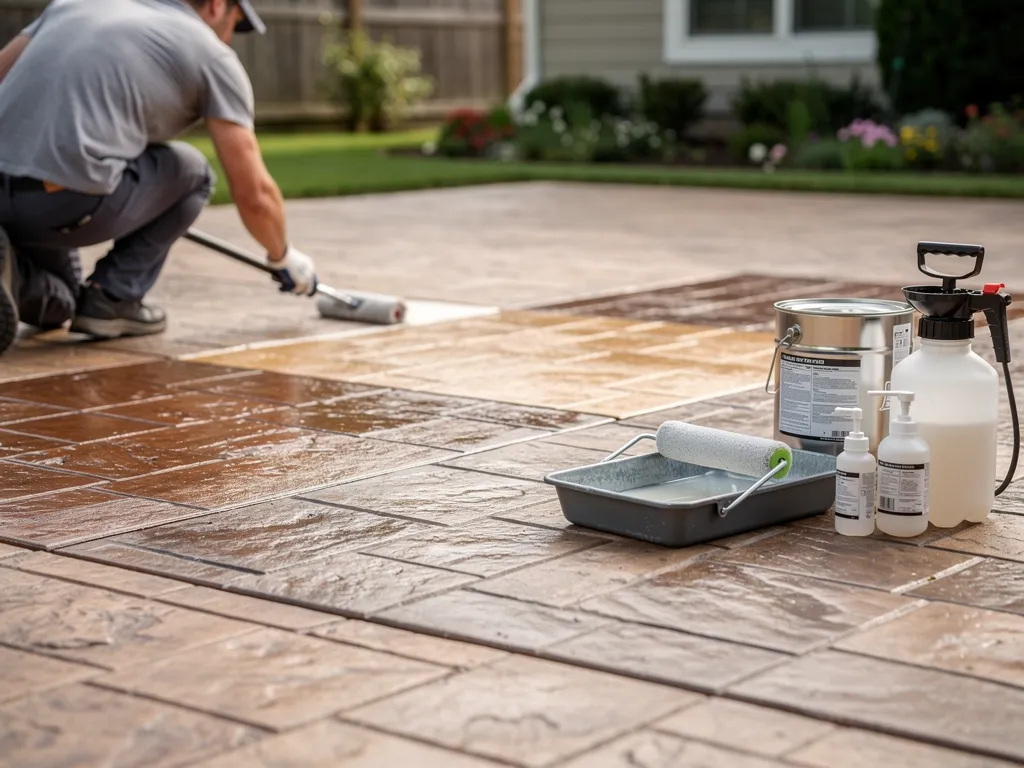
Sealers for stamped concrete generally fall into a couple of categories, each suited to different needs.
How Do Acrylic Sealers Protect and Enhance Stamped Concrete?
An acrylic sealer for stamped concrete sits on the surface and is popular for stamped patios and driveways because it enhances color and adds a low to high gloss finish, helping the pattern and coloring really stand out. They’re generally more affordable and easier to apply than some alternatives, though high-traffic surfaces may need more frequent reapplication.
What Are the Advantages of Polyurethane and Epoxy Sealers?
A polyurethane sealer for stamped concrete (or an epoxy alternative) offers a tougher, more durable topical finish than standard acrylics, with better resistance to abrasion and heavier use. These sealers tend to cost more and require more careful application, but they’re a solid option for driveways or patios that see frequent foot or vehicle traffic.
How to Choose the Best Sealer for Your Stamped Concrete Project?
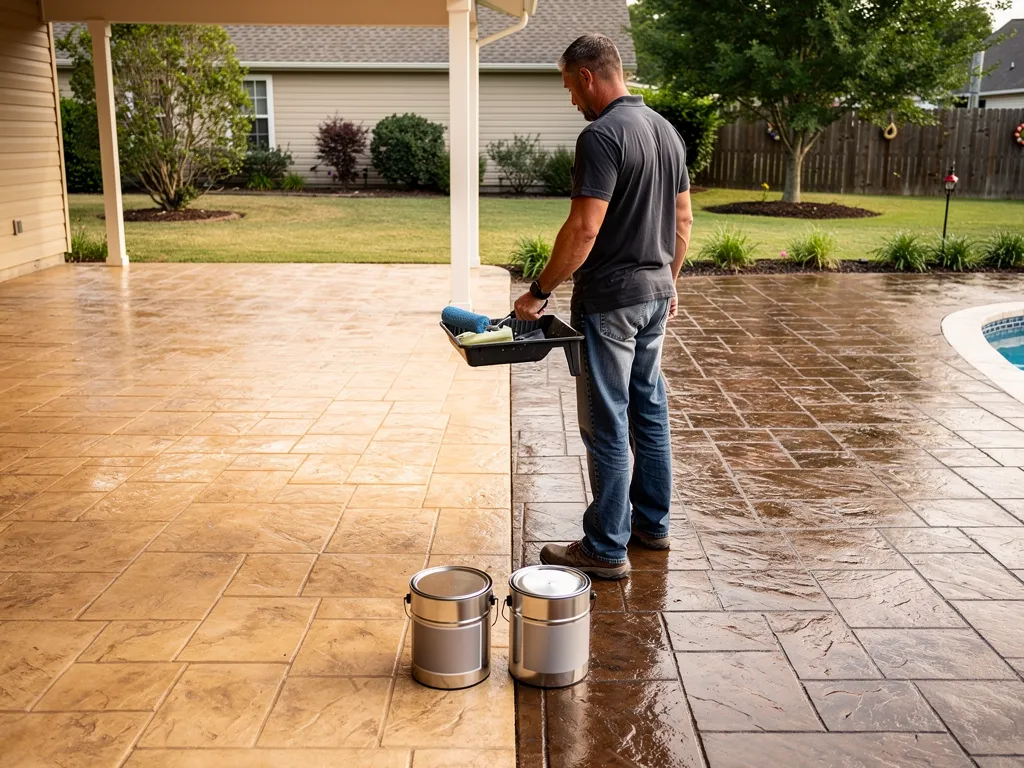
The right sealer depends on where the concrete is located and the finish look you’re going for.
Which Sealer Is Best for Outdoor vs. Indoor Stamped Concrete?
Outdoor stamped concrete generally benefits from a sealer with strong UV resistance and water repellency, since it faces direct sun exposure and weather that indoor surfaces don’t. Indoor applications can prioritize different qualities, like slip resistance or a specific sheen level, since they aren’t exposed to the same environmental stress as an outdoor patio or driveway.
What Role Does Finish Type (Glossy, Matte) Play in Sealer Choice?
A glossy finish tends to enhance color vibrancy and give stamped concrete a wet, polished look, while a matte finish offers a more natural, understated appearance. Some sealers also offer slip-resistant additives, which are worth considering for outdoor surfaces near pools or areas that see regular foot traffic in wet conditions.
How to Properly Apply Sealer on Stamped Concrete for Long-Lasting Protection?
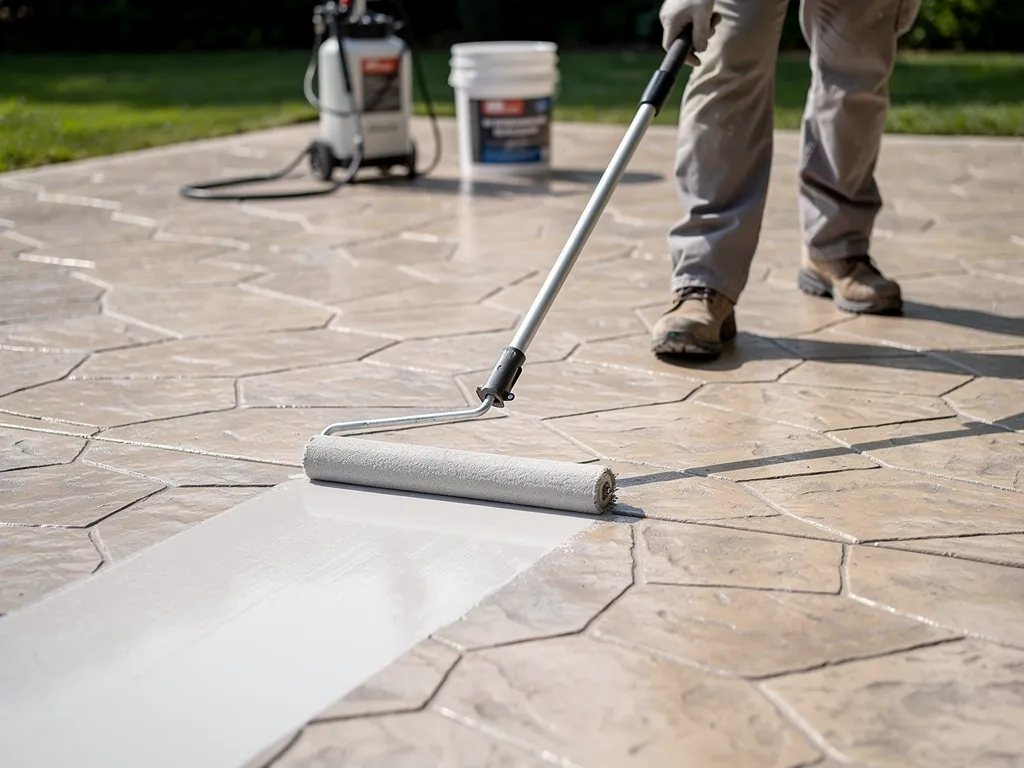
Application technique has a major impact on how well a sealer performs, regardless of which product is chosen.
How to Seal Stamped Concrete: Steps for Preparing the Surface First
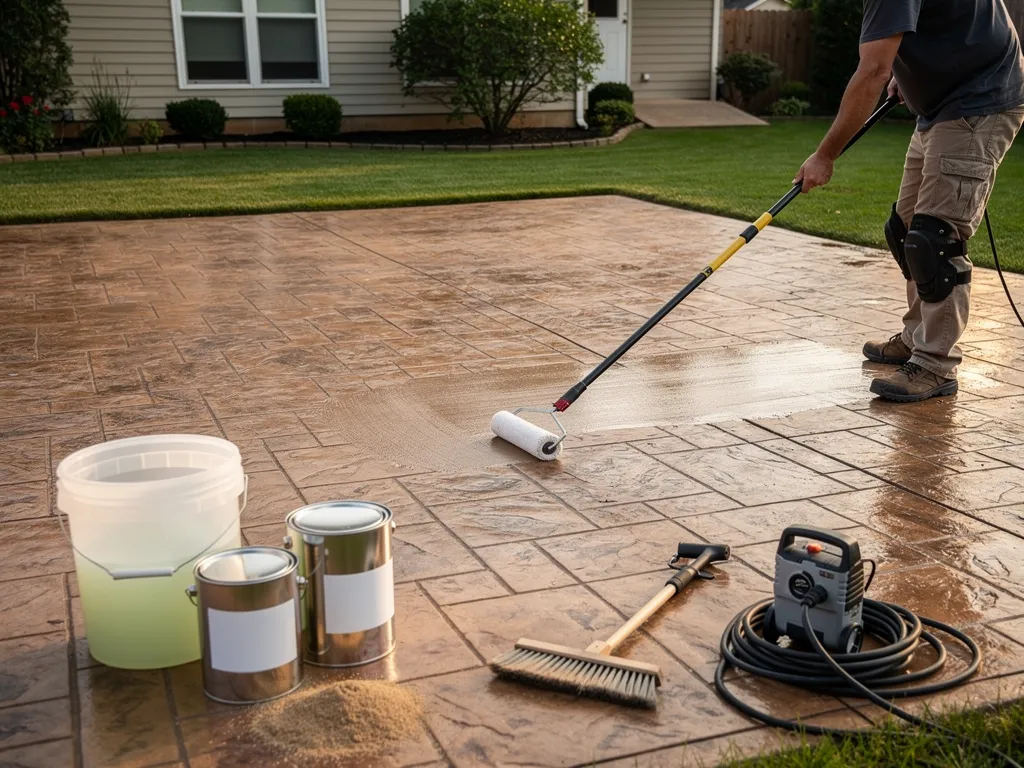
Before applying any sealer, the surface needs to be free of dirt, oil stains, existing coatings, or anything else that could prevent proper adhesion. A thorough pressure wash, followed by adequate drying time, is typically the most effective way to prepare an existing stamped concrete surface for resealing.
How Often Should You Reapply Sealer for Optimal Results?
Resealing stamped concrete is generally recommended every few years, though the exact timing depends on the sealer type, sun exposure, and how much traffic the surface sees. American Custom Concrete provides stamped concrete sealing in Fredericksburg and Stafford as part of routine maintenance, helping patios and driveways stay protected and looking their best.
What Are the Benefits of Using the Best Sealer for Stamped Concrete?
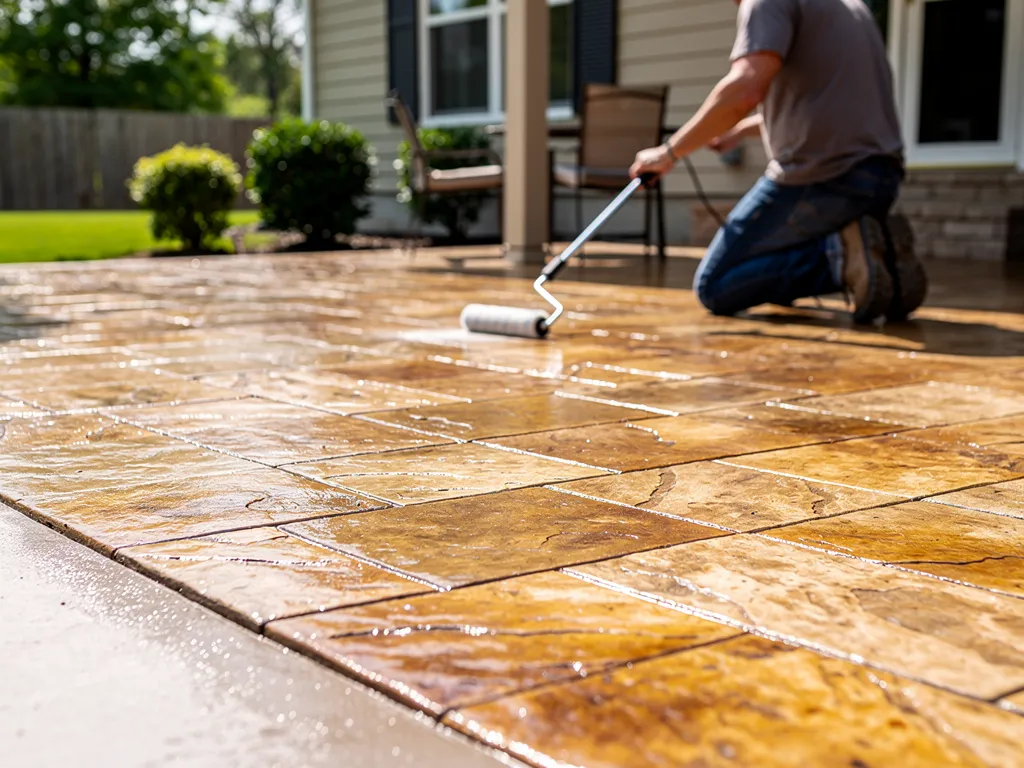
Choosing the right sealer, and applying it correctly, pays off in both appearance and long-term durability.
How Does Sealing Enhance Stamped Concrete’s Appearance and Durability?
A quality sealer deepens color, can add sheen, and protects the textured pattern from wearing down under regular use. With proper sealing and maintenance, stamped concrete can last for decades while retaining its original appearance, according to American Custom Concrete’s own guidance for homeowners.
Can Sealing Protect Against Weather, Stains, and Wear?
Yes, sealing creates a protective barrier that reduces moisture absorption, staining from spills or organic debris, and the surface wear that comes from sun exposure and foot or vehicle traffic. In Central Virginia’s climate, sealing is especially important for protecting against the freeze-thaw cycles that can otherwise widen small cracks over time.
What Are Common Mistakes to Avoid When Sealing Stamped Concrete?
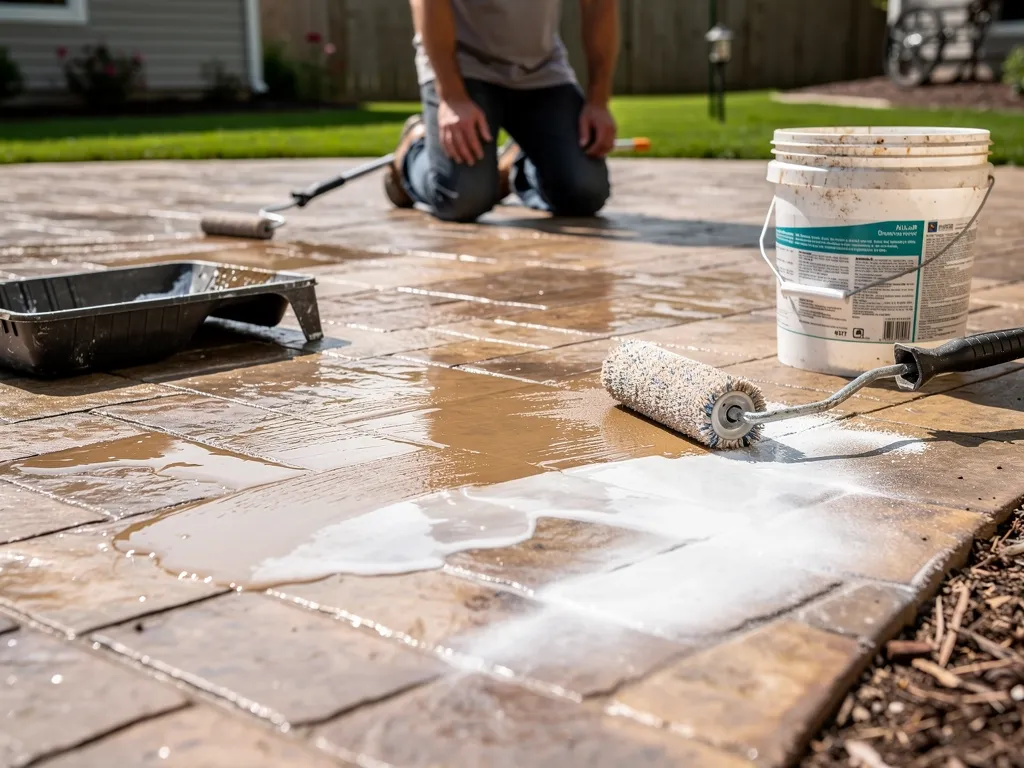
A few common missteps can undermine even a good sealer’s performance.
How to Prevent Bubbling and Uneven Sealer Application?
Bubbling often results from applying sealer too thickly, in direct sun, or on a surface that wasn’t fully dry before application. Applying thin, even coats and following the product’s specific guidance on weather conditions and drying time between coats helps avoid this issue.
Why Is Proper Concrete Curing Important Before Sealing?
Newly poured stamped concrete needs adequate time to cure before sealing, since sealing too early can trap moisture beneath the surface and lead to problems down the road. Following your contractor’s recommended timeline for when to first seal a new stamped concrete surface helps avoid this common mistake.
Where Can You Find the Right Sealer for Stamped Concrete?
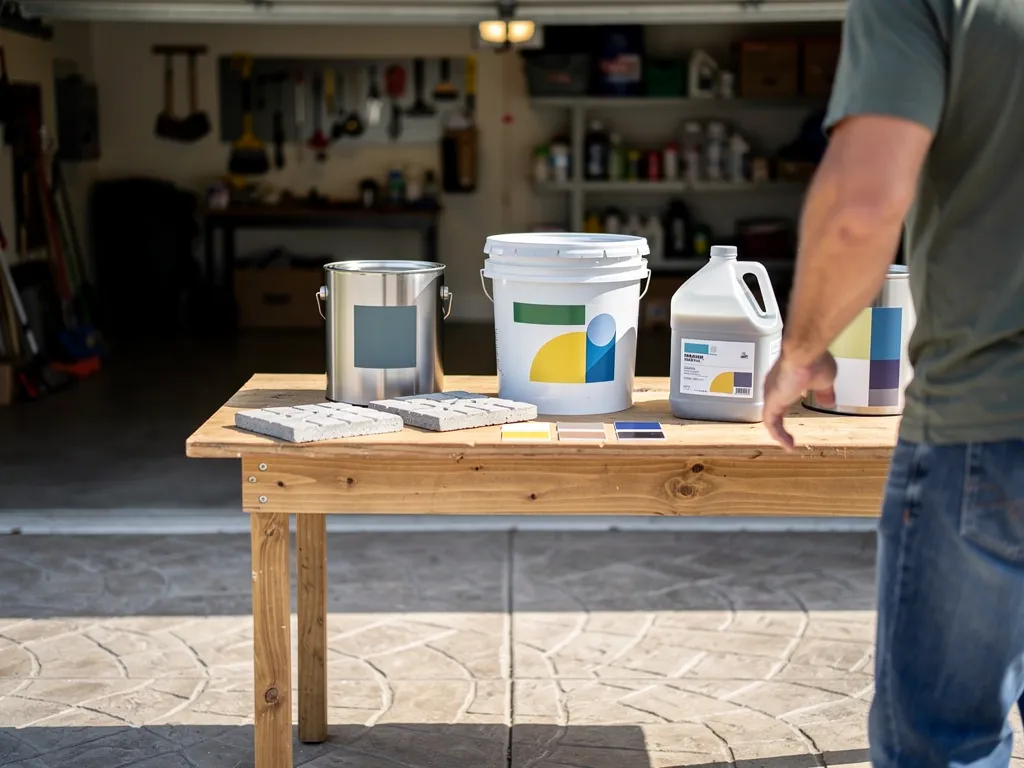
Sourcing a quality sealer is generally straightforward, though it’s worth understanding your options.
How Should Homeowners Approach Sealer Selection and Sourcing?
Professional-grade sealers are typically available through concrete supply retailers, and many contractors handle sealer selection and application directly as part of ongoing maintenance service. Since sealer quality and formulation can vary significantly between products, working with an experienced contractor helps ensure the right sealer is matched to your specific stamped concrete finish and location.
Are There Eco-Friendly or Low-VOC Sealer Options?
Yes, low-VOC (volatile organic compound) sealers are increasingly available and offer similar protective performance to traditional options while reducing emissions during application. If this is a priority for your project, it’s worth asking your contractor directly about low-VOC or water-based sealer options before your next resealing.
Frequently Asked Questions
How often should stamped concrete be resealed? Most stamped concrete benefits from resealing every few years, though the exact timing depends on the sealer type and how much sun and traffic exposure the surface gets. American Custom Concrete recommends sealing as part of routine maintenance for patios and driveways throughout Fredericksburg and Stafford.
What causes bubbling when sealing stamped concrete? Bubbling typically results from applying sealer too thickly, in direct sunlight, or on a surface that wasn’t fully dry beforehand. Applying thin, even coats and following the product’s recommended conditions helps prevent this issue.
Does American Custom Concrete help with sealing stamped concrete patios and driveways in Fredericksburg and Stafford? Yes, American Custom Concrete, Inc. recommends and provides guidance on sealing as part of routine maintenance for stamped concrete patios and driveways throughout Fredericksburg, Stafford, and the surrounding area.
Keeping your stamped concrete protected starts with the right sealer and proper application. American Custom Concrete helps Fredericksburg and Stafford homeowners maintain their stamped patios and driveways so they stay beautiful for years to come.