Compare Driveway Materials in Fredericksburg: Concrete vs Asphalt vs Pavers for Durable and Cost-Effective Solutions
Choosing the right driveway material is crucial for homeowners in Fredericksburg, as it impacts both aesthetics and functionality. This article provides a comprehensive comparison of three popular driveway materials: concrete, asphalt, and pavers. Readers will learn about the durability, cost-effectiveness, and suitability of each option for local conditions. Many homeowners face the challenge of selecting a driveway that not only looks good but also withstands the test of time and weather. By understanding the strengths and weaknesses of each material, you can make an informed decision that meets your needs. We will explore the key benefits and lifespan of concrete driveways, compare the durability of concrete with other materials, and discuss the costs and installation processes involved.
Comparison of Driveway Materials: Concrete, Asphalt, and Pavers
When considering driveway materials, it’s essential to evaluate their durability, cost-effectiveness, and suitability for the Fredericksburg climate. Each material has unique characteristics that can influence your choice.
Durability:
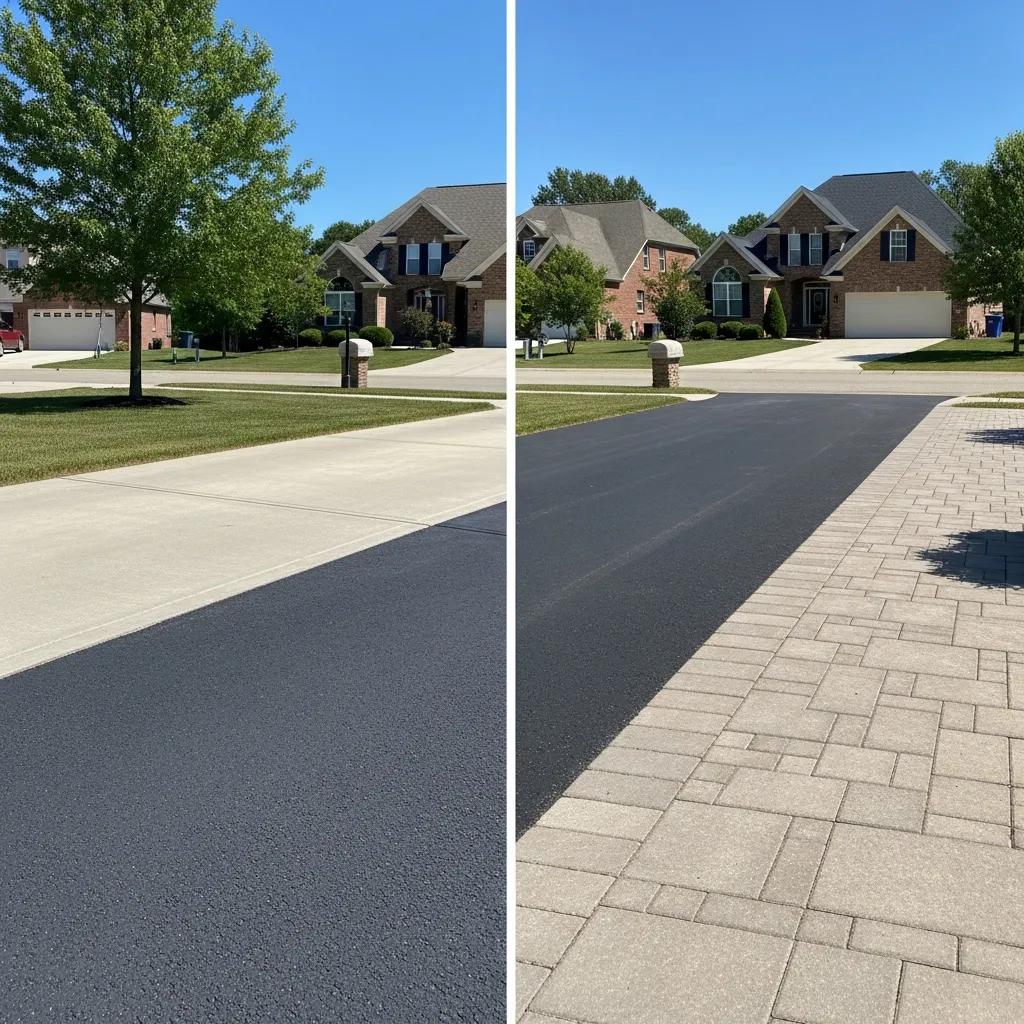
Concrete driveways are known for their impressive longevity, typically lasting between 30 to 40 years with proper maintenance. This durability is attributed to the material’s strength and resistance to various weather conditions. In contrast, asphalt driveways generally last around 15 to 20 years, making them less durable than concrete. Paver driveways, while aesthetically pleasing, require more maintenance and can shift under heavy traffic, which may affect their lifespan.
Cost-Effectiveness:
Cost is a significant factor when choosing a driveway material. Concrete driveways have a higher upfront cost, ranging from $6 to $12 per square foot, but they offer lower long-term maintenance costs. Asphalt driveways are more affordable initially, costing between $3 to $7 per square foot, but they require sealing every 2-3 years, which can add to the overall expense. Pavers can be comparable to concrete in terms of cost, but their installation can be more complex, potentially increasing the initial investment.
Suitability for Fredericksburg:
The local climate plays a crucial role in determining the best driveway material. Concrete is highly suitable for Fredericksburg, as it can withstand temperature fluctuations and heavy rainfall. Asphalt, however, may be less suitable due to its tendency to soften in high temperatures and crack in cold weather. Pavers can also be affected by the local climate, as they may shift or settle unevenly under heavy traffic or extreme weather conditions.
However, advancements in asphalt technology, such as Asphalt Rubber Chip Seals, offer more resilient and cost-effective solutions for challenging climates.
Durable & Cost-Effective Asphalt Paving for Extreme Weather
Asphalt Rubber Chip Seals provide a durable, cost effective, and environmentally friendly alternative to traditional paving methods by incorporating recycled waste tires. This study evaluates Asphalt Rubber Chip Seals implementation in Arizona and Michigan comparing its effectiveness to conventional paving approaches and the current applications in California. ARCS has demonstrated resilience in extreme weather conditions, making it a viable option for expansion to states like Arizona and Michigan, where climate variations pose challenges for pavement longevity. The research assesses construction costs, maintenance frequency, and sustainability benefits to determine ARCS’ competitiveness in the road maintenance industry.
Asphalt Rubber Chip Seals a Cost Effective and Sustainable Solution for Road Infrastructure, 2025
What Are the Key Benefits and Lifespan of Concrete Driveways?
Concrete driveways offer several key benefits that make them a popular choice among homeowners. Their durability is one of the most significant advantages, with a lifespan of 30 to 40 years when properly maintained. Additionally, concrete driveways require minimal maintenance, typically needing only occasional cleaning and sealing to preserve their appearance. Aesthetic options are also available, allowing homeowners to choose from various finishes and colors to complement their property.
How Does Concrete Driveway Durability Compare to Other Materials?
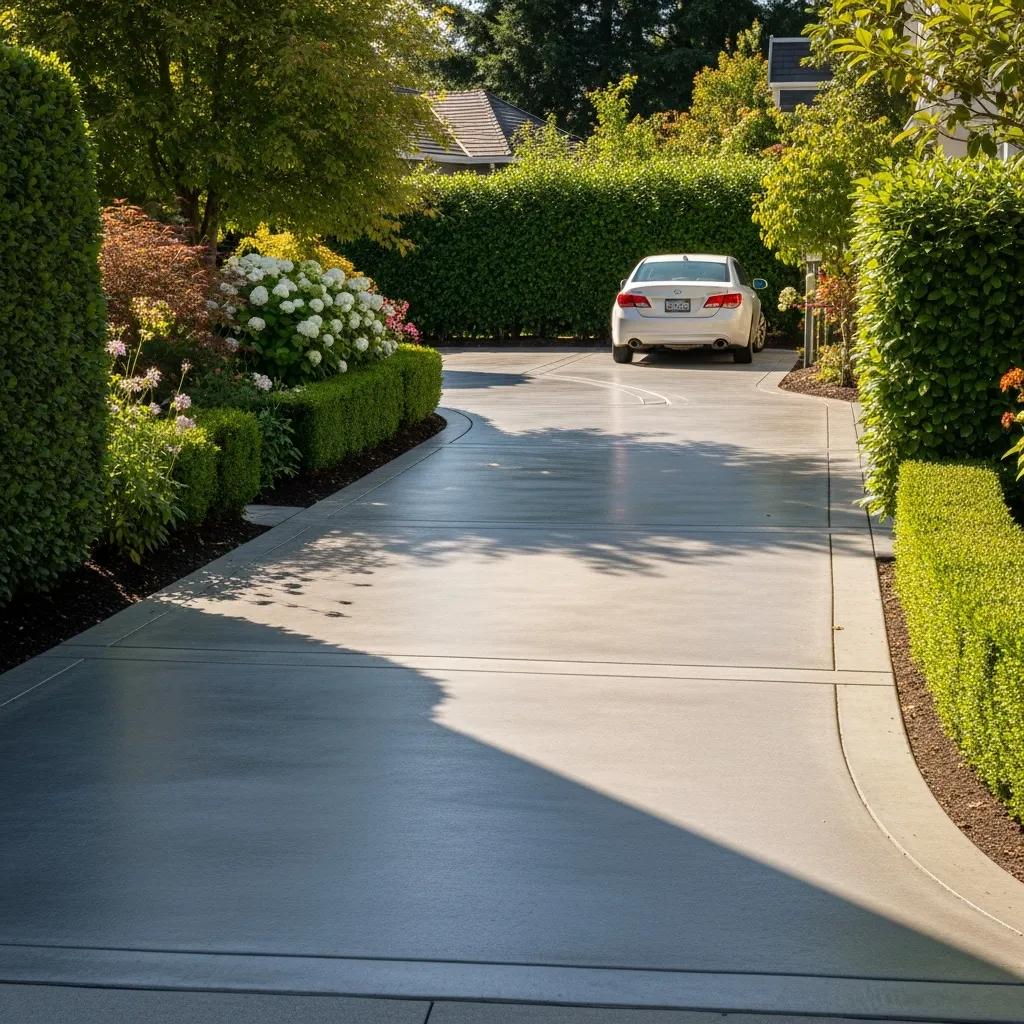
Concrete driveways outlast both asphalt and gravel options, making them a superior choice for long-term investment. With minimal maintenance required, concrete remains stable under various weather conditions, ensuring that it retains its structural integrity over the years. In comparison, asphalt driveways have a shorter lifespan and require more frequent repairs, while gravel driveways necessitate annual maintenance to keep them in good condition.
What Are the Typical Costs and Installation Process for Concrete Driveways?
The cost of installing a concrete driveway typically ranges from $6 to $12 per square foot, depending on factors such as site preparation and design complexity. The installation process involves several steps, including site evaluation, preparation of the base, pouring the concrete, and finishing the surface. Homeowners should consider these factors when budgeting for their driveway project.
What Are the Pros, Cons, and Maintenance Requirements of Asphalt Driveways?
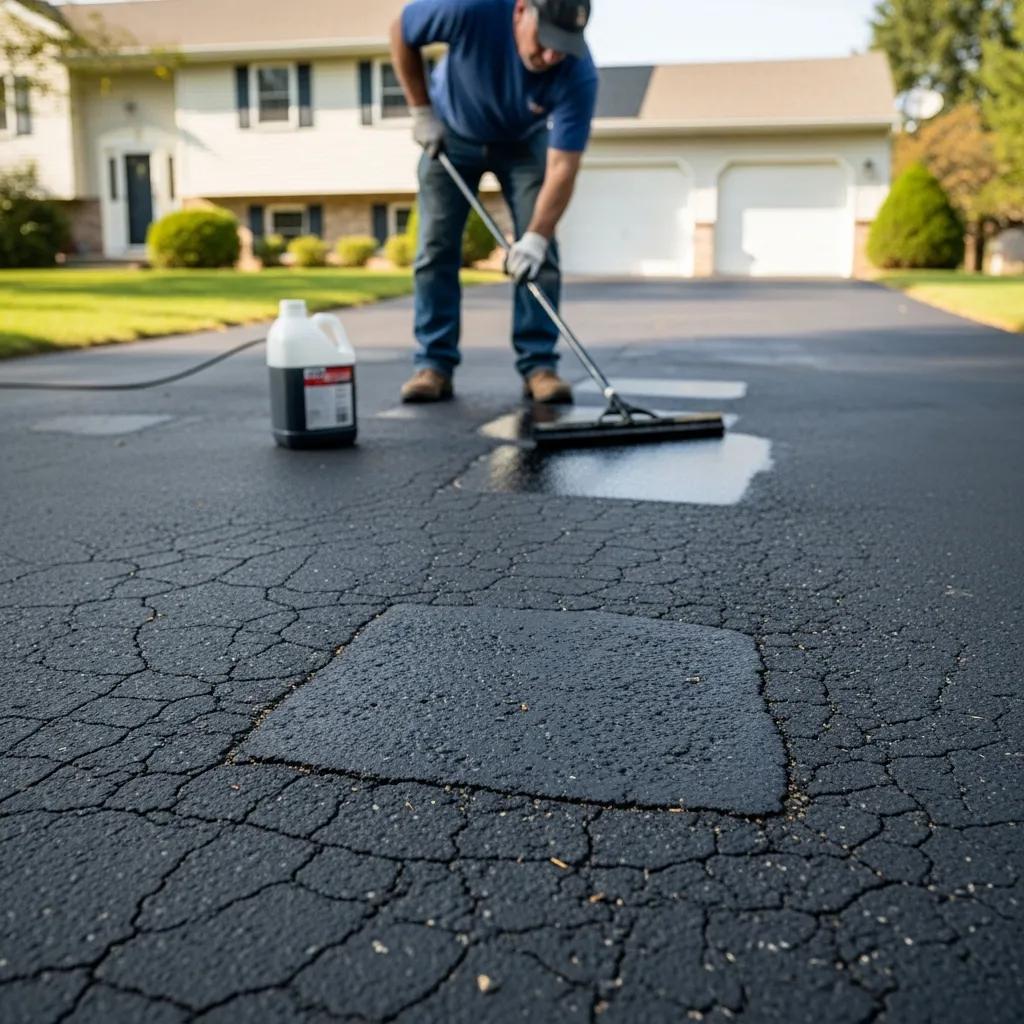
Asphalt driveways present a few advantages, including a lower upfront cost compared to concrete. However, they come with higher maintenance needs, requiring sealing every 2-3 years to prevent cracking and deterioration. The shorter lifespan of 15 to 20 years also makes asphalt a less appealing option for those seeking long-term durability.
How Do Paver Driveways Compare in Design Options, Installation Cost, and Longevity?
Paver driveways are known for their aesthetic appeal, offering a wide range of design options that can enhance the overall look of a property. However, the installation costs can be higher than concrete due to the labor-intensive process involved. While pavers can last a long time, they may shift over time, requiring periodic maintenance to ensure they remain level and visually appealing.
How to Choose the Best Driveway Material for Durability and Local Conditions in Fredericksburg?
When selecting the best driveway material, homeowners should consider several factors, including local climate, maintenance needs, and cost-effectiveness. Concrete is often the best choice for durability and low maintenance, while asphalt may be suitable for those on a tighter budget. Pavers can provide a unique aesthetic but may require more upkeep.
What Environmental and Climate Factors Influence Driveway Material Performance?
Environmental factors such as temperature fluctuations, soil movement, and heavy rainfall can significantly impact the performance of driveway materials. Concrete’s resilience to these conditions makes it a reliable choice for Fredericksburg, while asphalt’s susceptibility to heat and cold can lead to premature deterioration. Pavers may also be affected by soil movement, which can cause them to shift or settle unevenly.
How Do Cost, Maintenance, and Aesthetic Preferences Impact Material Selection?
Cost, maintenance requirements, and aesthetic preferences are critical factors influencing material selection. Homeowners must weigh the initial investment against long-term maintenance costs and the desired appearance of their driveway. Concrete offers a balance of durability and low maintenance, while asphalt may appeal to those seeking a more budget-friendly option. Pavers provide unique design possibilities but may require more frequent maintenance.
This table highlights the cost and maintenance differences between the three driveway materials, helping homeowners make informed decisions based on their budget and preferences.