Common Concrete Maintenance Mistakes to Avoid
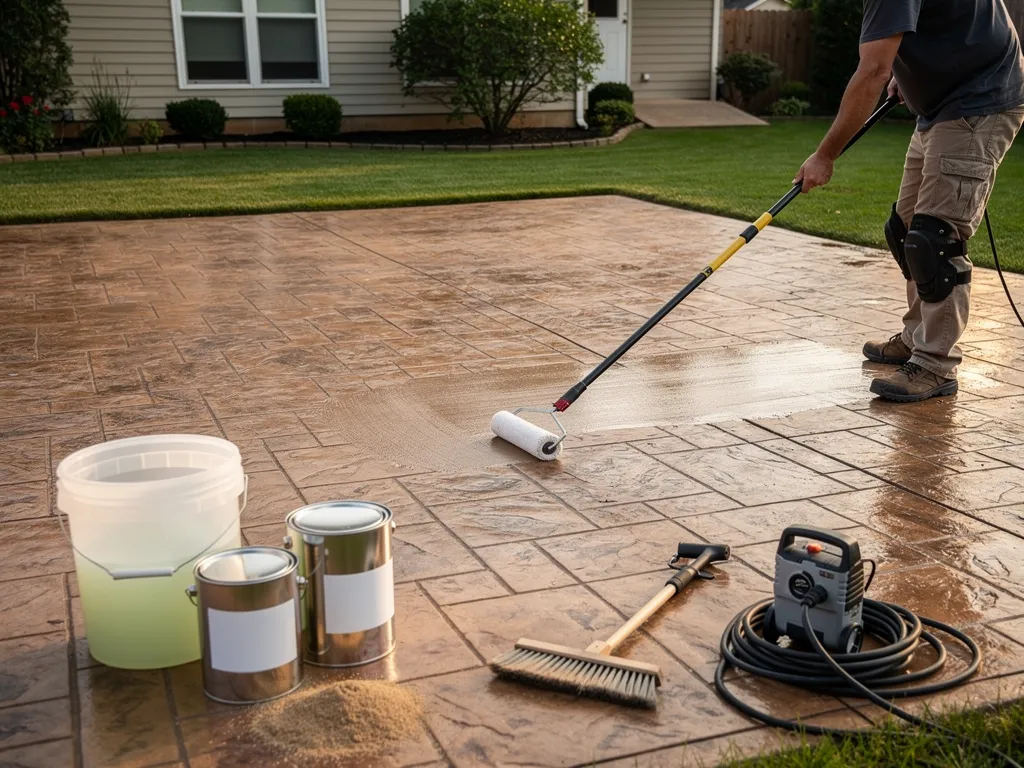
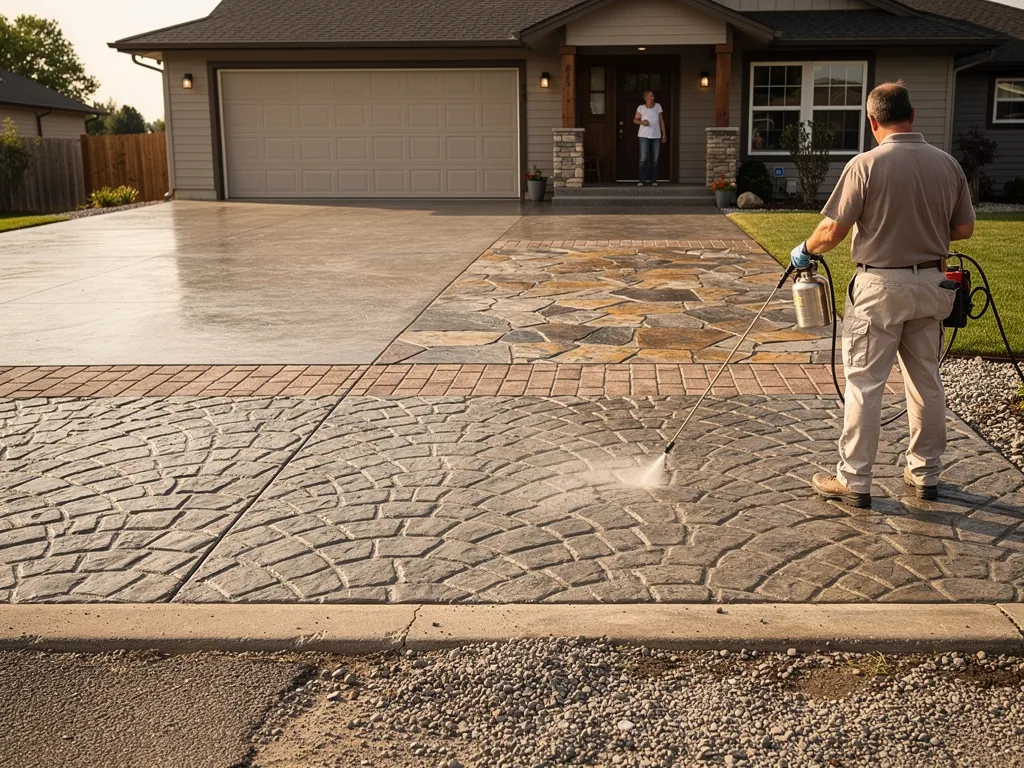
Many homeowners make critical mistakes when maintaining their concrete surfaces, which can lead to costly repairs and reduced longevity. Common errors include neglecting to seal the concrete, using harsh chemicals for cleaning, and failing to address cracks promptly.
For instance, not sealing your concrete can allow moisture infiltration, which may cause cracking during freeze-thaw cycles. Additionally, using acidic cleaners can damage the surface, leading to further degradation. By educating yourself on these pitfalls, you can extend the life of your concrete investments.
Choosing the Right Concrete Finish for Your Project
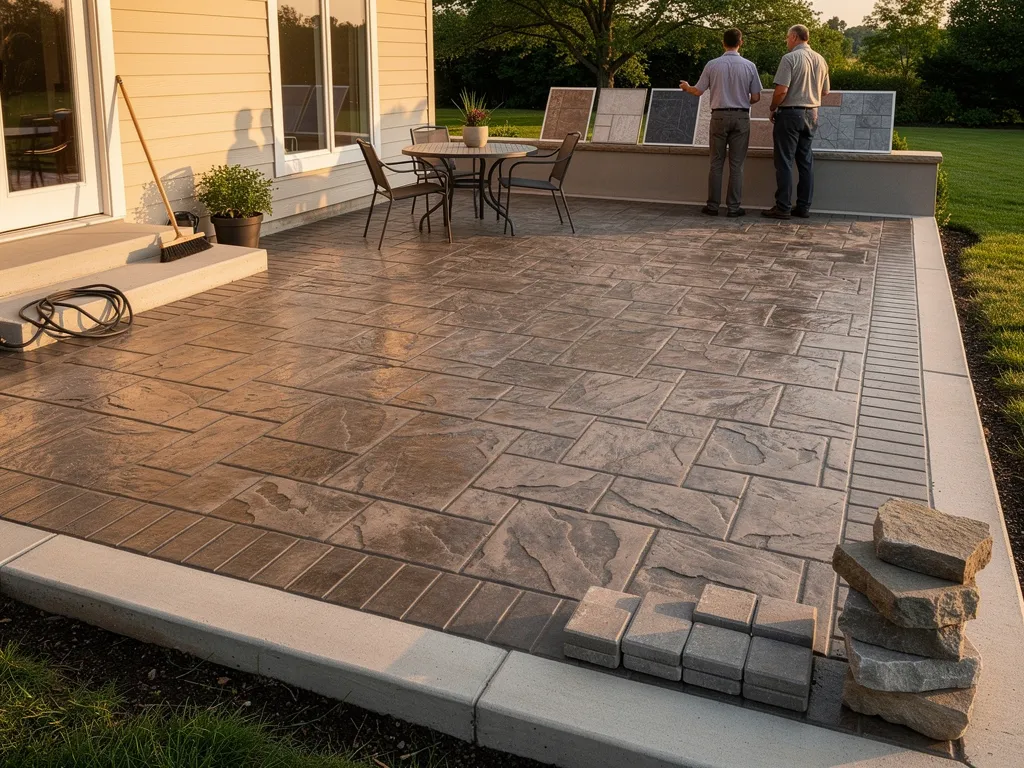
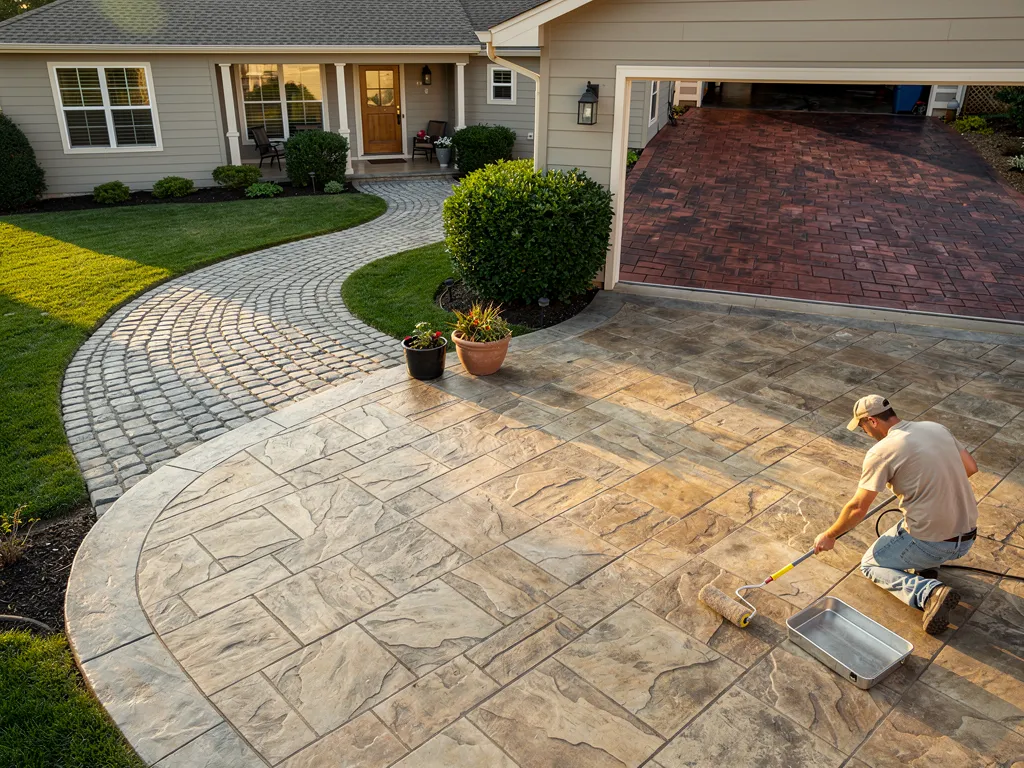
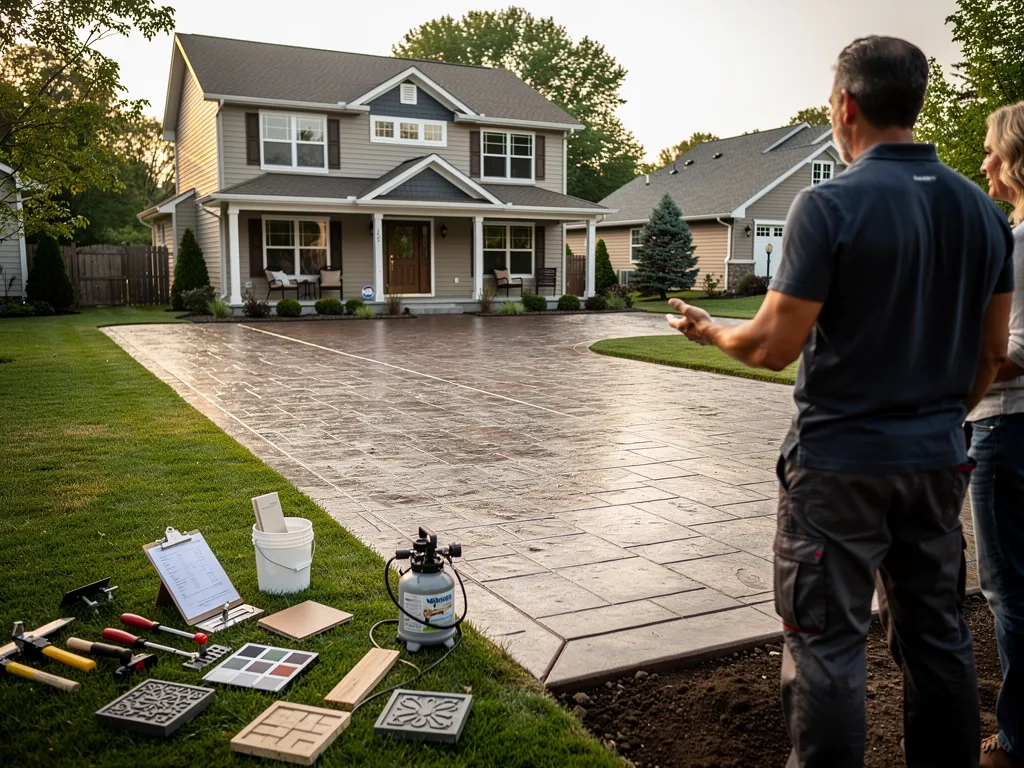
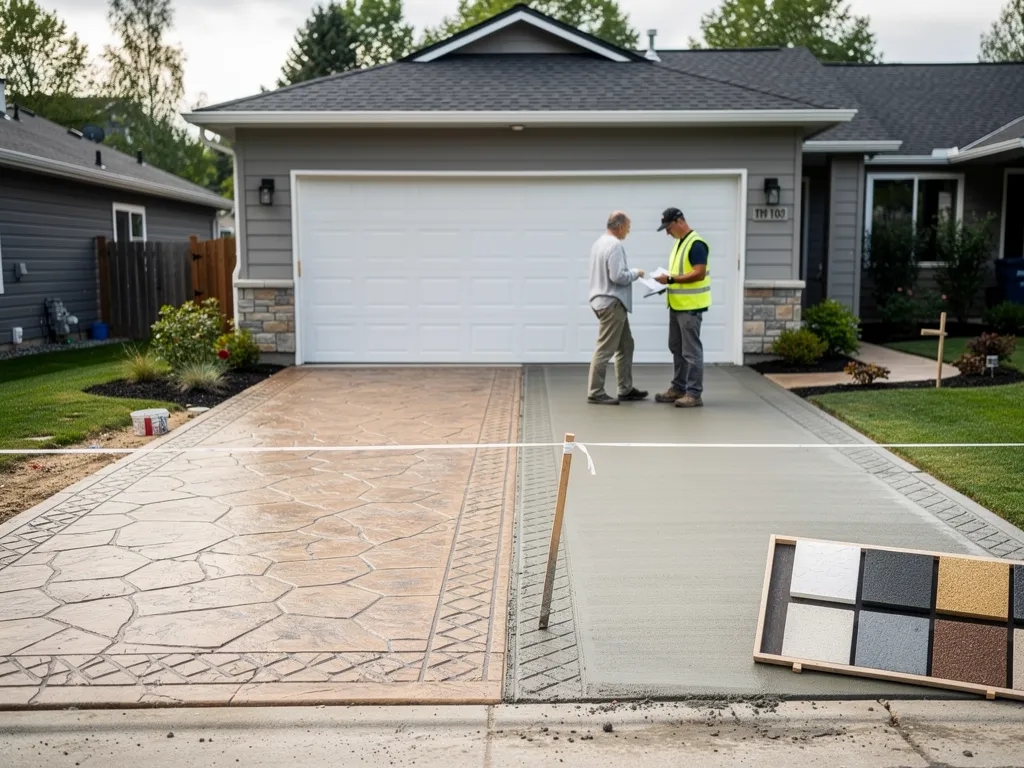
Selecting the appropriate concrete finish is essential for both aesthetic appeal and functionality. Various finishes, such as broom, stamped, or polished concrete, can dramatically alter the look and performance of your surfaces.
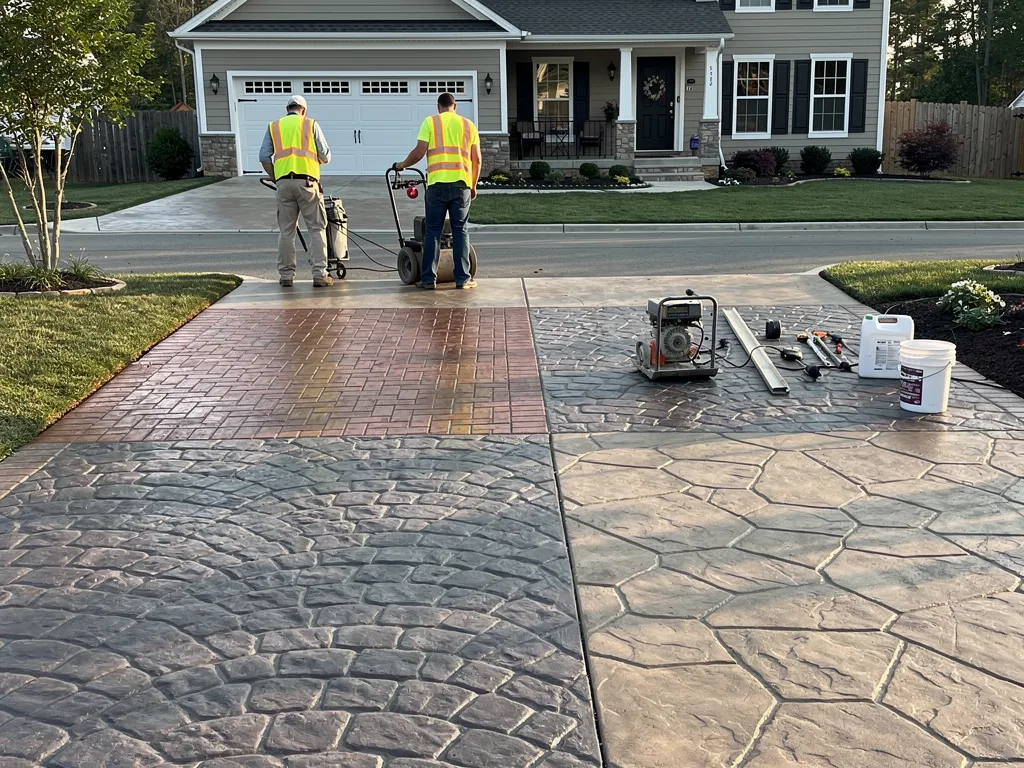
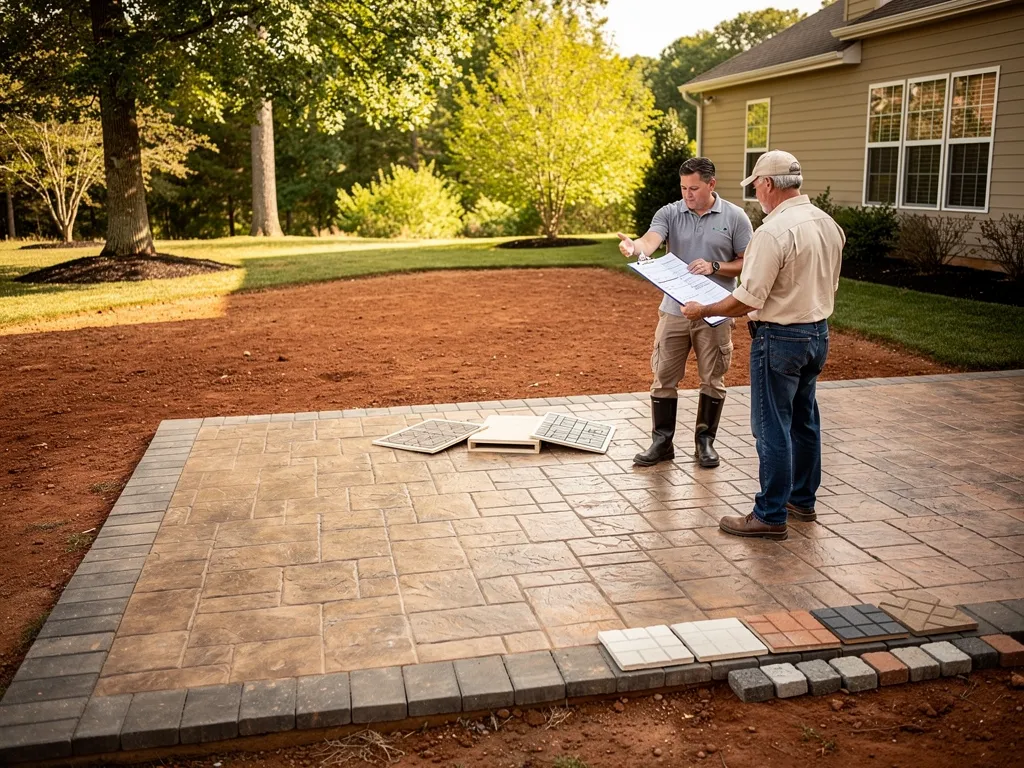
For example, a stamped finish can mimic the appearance of stone or brick, enhancing your outdoor spaces, while a polished finish provides a sleek, modern look ideal for indoor applications. Understanding the pros and cons of each finish will help you make an informed decision that aligns with your vision and usage needs.
Eco-Friendly Concrete Options for Sustainable Construction
As sustainability becomes increasingly important, eco-friendly concrete options are gaining popularity among homeowners and builders. These alternatives reduce environmental impact while maintaining durability and performance.
For instance, using recycled aggregates or incorporating fly ash can minimize waste and lower the carbon footprint of concrete production. Additionally, permeable concrete allows for better water drainage, reducing runoff and promoting groundwater recharge, making it an excellent choice for environmentally-conscious projects.
Understanding Concrete Curing: Why It Matters
Concrete curing is a critical process that influences the strength and durability of your concrete surfaces. Proper curing helps to maintain moisture levels, allowing the concrete to hydrate fully and achieve its designed strength.
Neglecting this step can lead to surface cracking and reduced longevity. Typically, curing should last for at least seven days, depending on the mix and environmental conditions. Techniques such as covering with wet burlap, applying curing compounds, or using plastic sheeting can help ensure optimal curing conditions.