Decorative Concrete Services: Expert Solutions to Transform Your Outdoor Spaces with Custom Designs
Transforming your outdoor spaces with decorative concrete services can significantly enhance the aesthetic appeal and functionality of your property. Decorative concrete encompasses a variety of techniques, including stamped concrete, colored concrete, and overlays, which allow for customization to suit individual tastes and needs. This article will explore the various design options available, the installation process, and essential maintenance tips to ensure longevity and beauty. Additionally, we will discuss the benefits of “stamped concrete patios” and driveways, how it enhances outdoor aesthetics, and the value added by colored concrete services.
Transforming Outdoor Spaces with Decorative Concrete Services
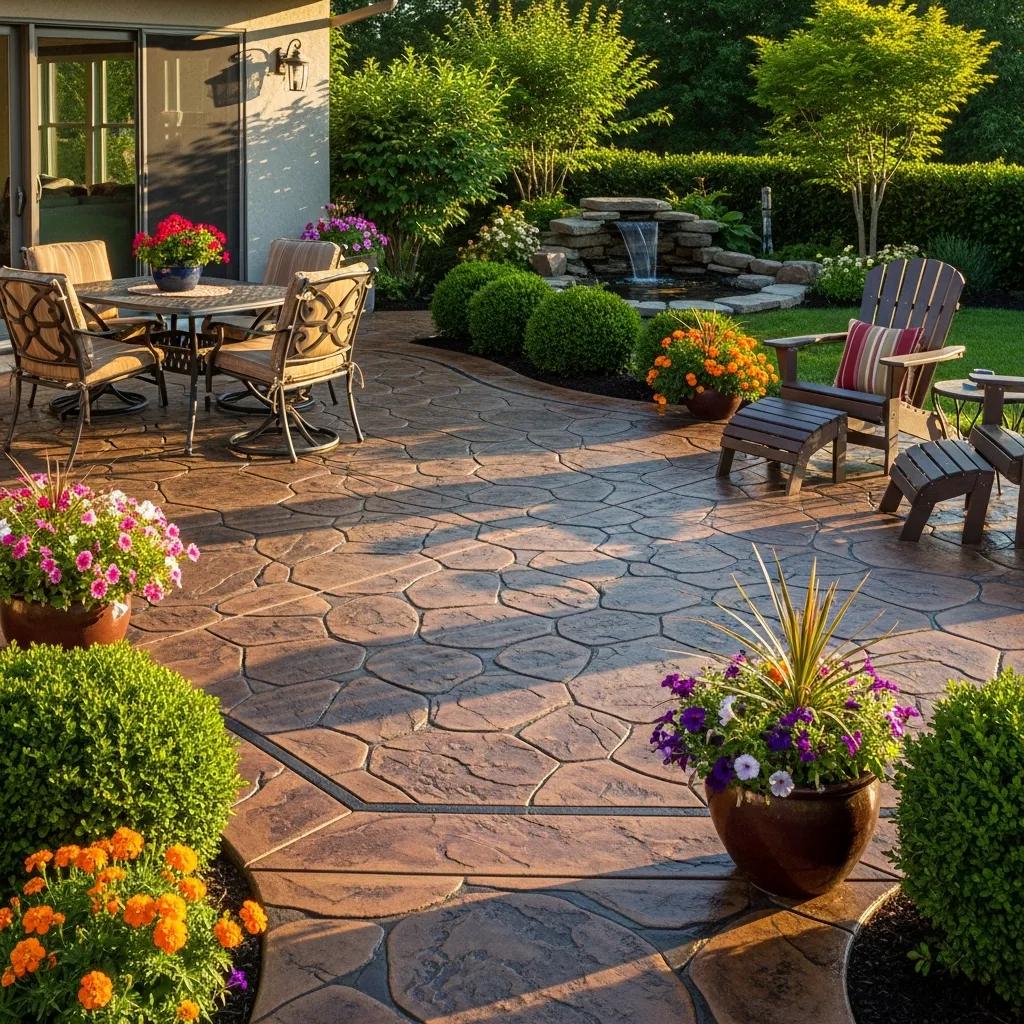
Decorative concrete services offer innovative solutions for enhancing outdoor spaces, making them more visually appealing and functional. By utilizing techniques such as stamping and coloring, homeowners can achieve a unique look that mimics natural materials like stone or wood. These services not only improve the aesthetic value of a property but also provide durable surfaces that withstand the elements. The versatility of decorative concrete allows for various applications, from patios and walkways to driveways and pool decks, making it an ideal choice for both residential and commercial clients.
Design Options:
When it comes to decorative concrete, the design options are virtually limitless. Homeowners can choose from a variety of colors, patterns, and finishes to create a personalized look that complements their outdoor spaces.
Customization
Customization is a key feature of decorative concrete services. Clients can select from a wide range of color options, including earth tones and vibrant hues, to match their existing landscape. Additionally, various stamp patterns are available, such as cobblestone, slate, and brick, allowing for a tailored appearance. Edge treatments can also be applied to enhance the overall design, providing a polished finish that elevates the space.
Understanding the science behind concrete coloration is crucial for achieving these desired aesthetic outcomes.
Concrete Color Evaluation & Material Impact
An experimental program was conducted to develop a methodology to quantify the gradation of the concrete color. The proposed methodology was used to evaluate the effect of the supplementary cementitious materials and the limestone filler used as partial substitution of white cement in architectural precast concrete. The effect of the formwork materials on concrete color was also investigated.
Methodology to evaluate variations in concrete color caused by white cement substitutions and forming materials, WA Megid, 2020
Types of Decorative Concrete
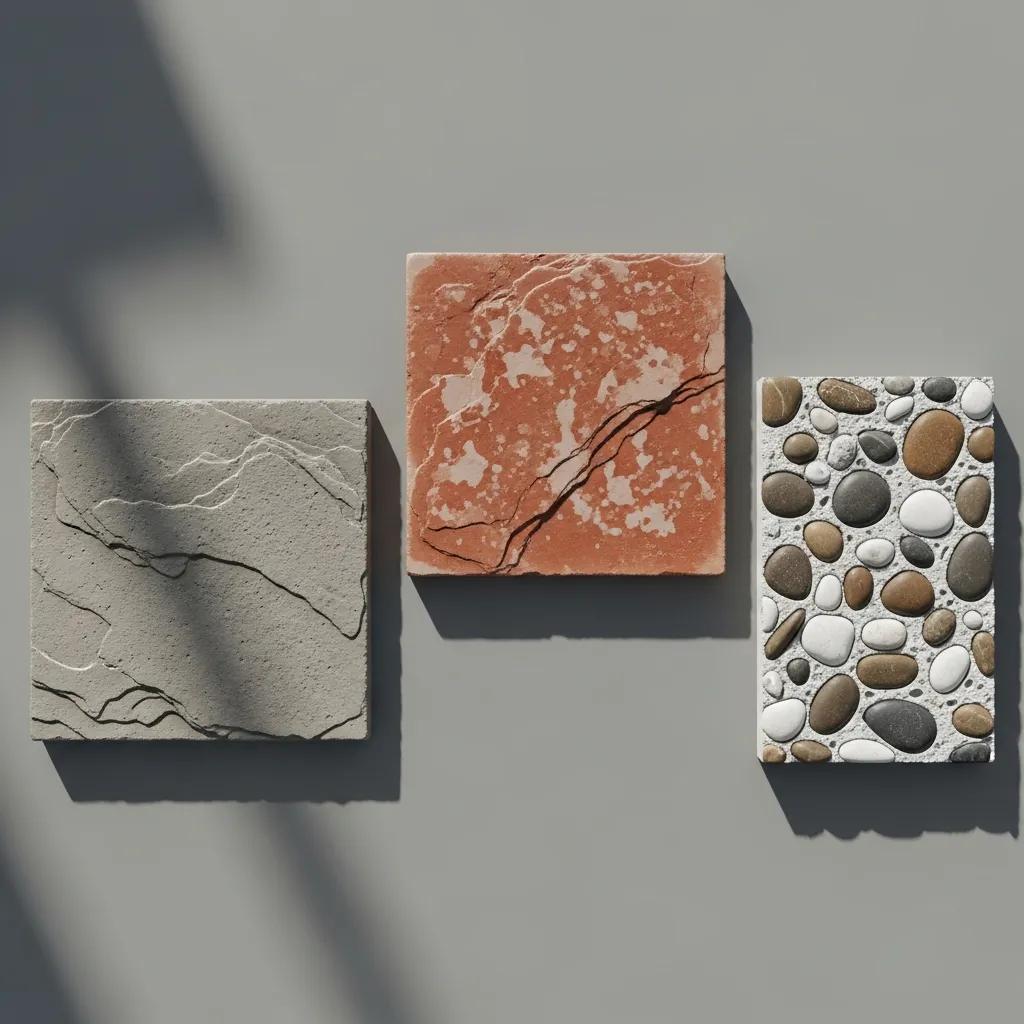
There are several types of decorative concrete that homeowners can consider for their projects:
- Stamped Concrete: This technique involves imprinting patterns onto freshly poured concrete, creating the appearance of more expensive materials like stone or tile.
- Stained Concrete: Staining adds color to the concrete surface, enhancing its visual appeal while allowing the natural texture to show through.
- Exposed Aggregate: This method reveals the aggregate within the concrete, providing a unique texture and appearance that is both attractive and slip-resistant.
Installation Process:
The installation of decorative concrete involves several key steps to ensure a successful outcome.
- Consultation Process: The first step is a consultation where clients discuss their vision and preferences with a professional contractor. This helps in understanding the specific requirements and design options available.
- Design and Planning: After the consultation, a detailed design plan is created, outlining the chosen patterns, colors, and layout.
- Concrete Application: Finally, the concrete is poured and treated according to the selected design, ensuring that all elements are executed to perfection.
American Custom Concrete, Inc. specializes in these decorative concrete services, providing expert solutions tailored to the needs of clients in Fredericksburg, Stafford, Falmouth, Southern Gateway, Lake Anna, and the greater Rappahannock region of Virginia.
Maintenance Tips:
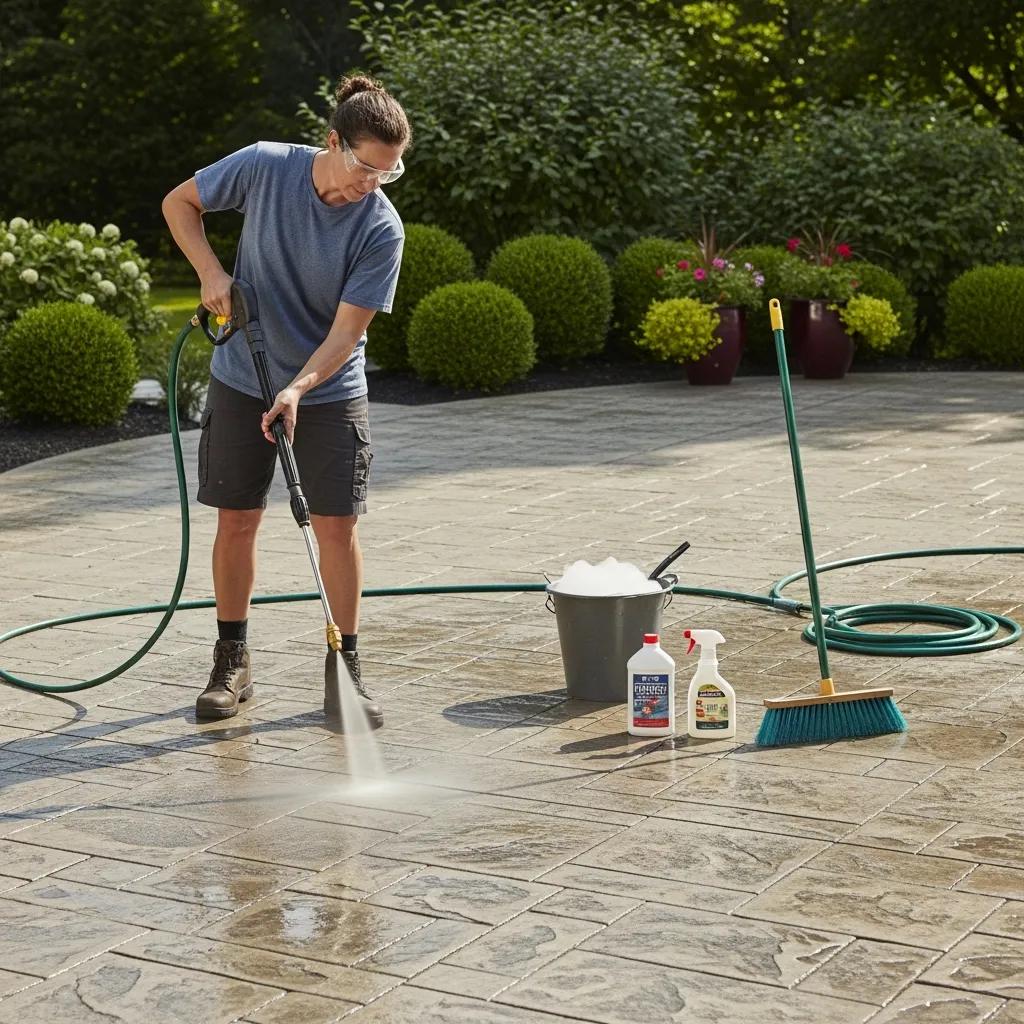
Maintaining decorative concrete is essential for preserving its beauty and durability. Here are some key tips to keep in mind:
- Regular Cleaning: Routine cleaning helps prevent dirt and debris buildup, which can dull the surface over time.
- Sealing Frequency: It is recommended to seal decorative concrete surfaces every 1-3 years, depending on the level of foot traffic and exposure to the elements.
- Addressing Cracks: Promptly addressing any cracks or damage is crucial to prevent further deterioration and maintain the integrity of the surface.
For those interested in enhancing their outdoor spaces, contacting American Custom Concrete, Inc. for a free estimate can provide valuable insights and options tailored to individual needs.
What Are the Benefits of Stamped Concrete Patios and Driveways?
Stamped concrete patios and driveways offer numerous benefits that make them a popular choice among homeowners.
- Durability: Stamped concrete is highly durable and can withstand heavy traffic and harsh weather conditions, making it an excellent long-term investment.
- Aesthetic Appeal: The ability to mimic natural materials allows homeowners to achieve a high-end look without the associated costs.
- Cost-Effectiveness: Compared to traditional materials, stamped concrete can be more affordable while still providing a stunning visual impact.
How Does Stamped Concrete Enhance Outdoor Aesthetics and Durability?
Stamped concrete enhances outdoor aesthetics by providing a versatile surface that can be customized to fit any design style. It mimics the look of natural stone, brick, or tile, offering a sophisticated appearance without the high maintenance associated with these materials. Additionally, its durability ensures that it can withstand the elements, making it a practical choice for outdoor applications.
Which Design Patterns and Customization Options Are Available?
There are numerous design patterns and customization options available for stamped concrete. Homeowners can choose from classic stone patterns, wood grain finishes, and even custom designs that reflect their personal style. This flexibility allows for a unique outdoor space that stands out while maintaining functionality.
How Do Colored Concrete Services Add Value to Your Property?
Colored concrete services enhance the visual appeal of a property, making it more attractive to potential buyers. The vibrant colors and unique finishes can significantly increase curb appeal, which is a crucial factor in property valuation. Additionally, “colored concrete” is durable and low-maintenance, providing long-term value.
What Are the Popular Colored Concrete Techniques and Finishes?
Popular techniques for colored concrete include integral coloring, where pigments are mixed into the concrete before pouring, and surface-applied stains, which add color after the concrete has cured. Finishes can range from matte to glossy, allowing homeowners to choose the look that best fits their style.
How to Choose a Reliable Colored Concrete Contractor in Virginia?
Choosing a reliable colored concrete contractor involves several considerations:
- Local Experience: Look for contractors with a proven track record in your area, as they will be familiar with local regulations and climate conditions.
- Portfolio Review: Examine the contractor’s previous work to assess their quality and style.
- Customer Reviews: Check online reviews and testimonials to gauge customer satisfaction and reliability.
What Are the Best Practices for Concrete Resurfacing and Overlays?
Concrete resurfacing and overlays can rejuvenate worn surfaces and extend their lifespan. Best practices include:
- Preparation Steps: Properly prepare the surface by cleaning and repairing any damage before applying the overlay.
- Material Selection: Choose high-quality materials that are suitable for the specific application and environment.
- Application Techniques: Follow manufacturer guidelines for application to ensure optimal adhesion and durability.
When Is Concrete Resurfacing Recommended for Outdoor Spaces?
Concrete resurfacing is recommended when surfaces show signs of wear, such as cracking, discoloration, or surface damage. This process can restore the appearance and functionality of outdoor spaces, making them safe and visually appealing.
How Do Concrete Overlays Improve Longevity and Appearance?
Concrete overlays improve both the longevity and appearance of existing surfaces. They provide a fresh, new look while protecting the underlying concrete from further damage. Overlays can also be customized with colors and patterns, enhancing the overall aesthetic of the space.
How Does Professional Concrete Sealing and Finishing Protect Your Investment?
Professional concrete sealing and finishing are essential for protecting decorative concrete surfaces. Sealing creates a barrier against moisture, stains, and UV damage, ensuring that the surface remains beautiful and functional for years to come. This investment in maintenance can save homeowners from costly repairs in the future.
Research further highlights the critical role of advanced materials in providing this essential surface protection.
Concrete Sealer Materials for Surface Protection
Crystal penetrating sealer materials (PSMs) are commonly used on the surface of concrete to protect the surface from damage and thereby extend its service life. Such materials penetrate into existing pores or cracks and form crystals, which block potential paths through which unknown materials could enter and degrade the concrete.
Evaluation of penetration depth and protective effectiveness of concrete-penetrating sealer materials, 2016
What Are the Advantages of Advanced Sealing Technologies?
Advanced sealing technologies offer several advantages, including enhanced durability, improved aesthetics, and low maintenance requirements. These modern sealants provide superior protection against the elements, ensuring that decorative concrete surfaces remain in excellent condition over time.
How Often Should Concrete Surfaces Be Sealed and Maintained?
Concrete surfaces should be sealed every 1-3 years, depending on usage and environmental factors. Regular maintenance, including cleaning and prompt repairs, is crucial for preserving the integrity and appearance of decorative concrete.