Driveway Thickness, Rebar, and Reinforcement Guide: Expert Recommendations for Durable Concrete Driveways
When it comes to constructing a durable concrete driveway, understanding the optimal thickness and reinforcement techniques is crucial. This guide provides expert recommendations on driveway thickness, the use of rebar and wire mesh for reinforcement, and the best practices to ensure longevity and durability. Many homeowners face challenges in selecting the right materials and techniques, which can lead to costly repairs down the line. By following the guidelines outlined here, you can make informed decisions that enhance the lifespan of your driveway. We will explore the optimal thickness for different driveway types, various reinforcement techniques, and local standards specific to Fredericksburg, Virginia.
Optimal Thickness
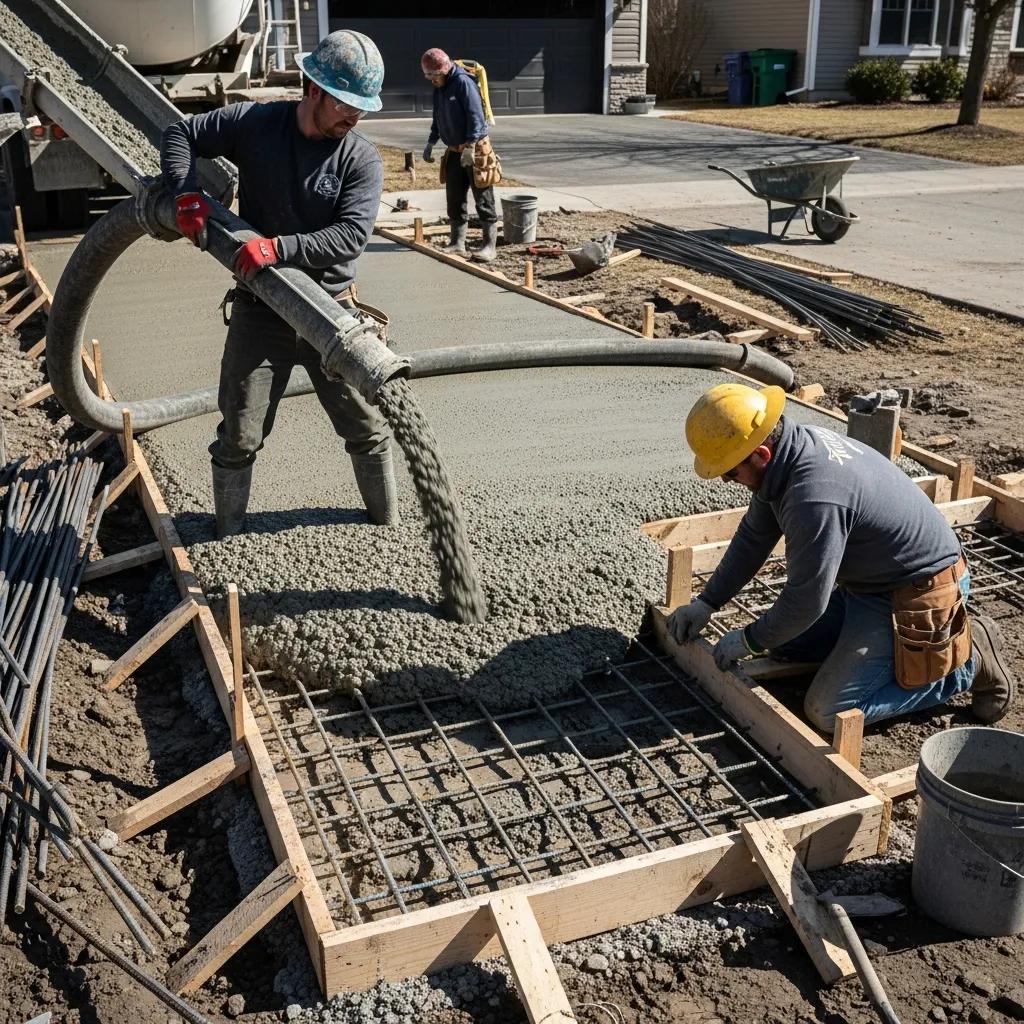
The optimal thickness for a concrete driveway is essential for ensuring its durability and performance. Generally, a standard thickness of 4 inches is recommended for residential driveways, which can adequately support typical passenger vehicles. However, for heavier vehicles, such as trucks or RVs, increasing the thickness to 5-6 inches is advisable. Proper base preparation is also critical, as it provides the necessary support and stability for the concrete slab. This foundational work helps prevent cracking and settling over time, ensuring that your driveway remains functional and aesthetically pleasing.
Further research supports the importance of adequate slab thickness, particularly for applications requiring greater load-bearing capacity.
Recommended Minimum Concrete Slab Thickness
A minimum thickness of 150 mm is recommended for the concrete slab and relatively large thickness of concrete.
Design improvements to enhance the performance of thin and ultra-thin concrete overlays in Texas, DH Chen, 2016
Reinforcement Techniques
Reinforcement techniques play a vital role in enhancing the strength and durability of concrete driveways. The most common methods include the use of steel rebar grids, wire mesh, and fiber-reinforced concrete mixes. Each of these options offers distinct advantages:
- Steel Rebar Grids: These provide significant strength and are particularly effective in preventing cracking under heavy loads.
- Wire Mesh: While easier to install, wire mesh offers less reinforcement compared to rebar, making it suitable for lighter applications.
- Fiber-Reinforced Concrete Mixes: These mixes enhance durability by distributing stress more evenly throughout the concrete, reducing the likelihood of cracks.
American Custom Concrete, Inc. specializes in concrete services, including expert driveway installation and reinforcement guidance. Their focus on quality craftsmanship ensures that your driveway meets the necessary standards for durability and performance.
Comparison of Rebar and Wire Mesh for Reinforcement
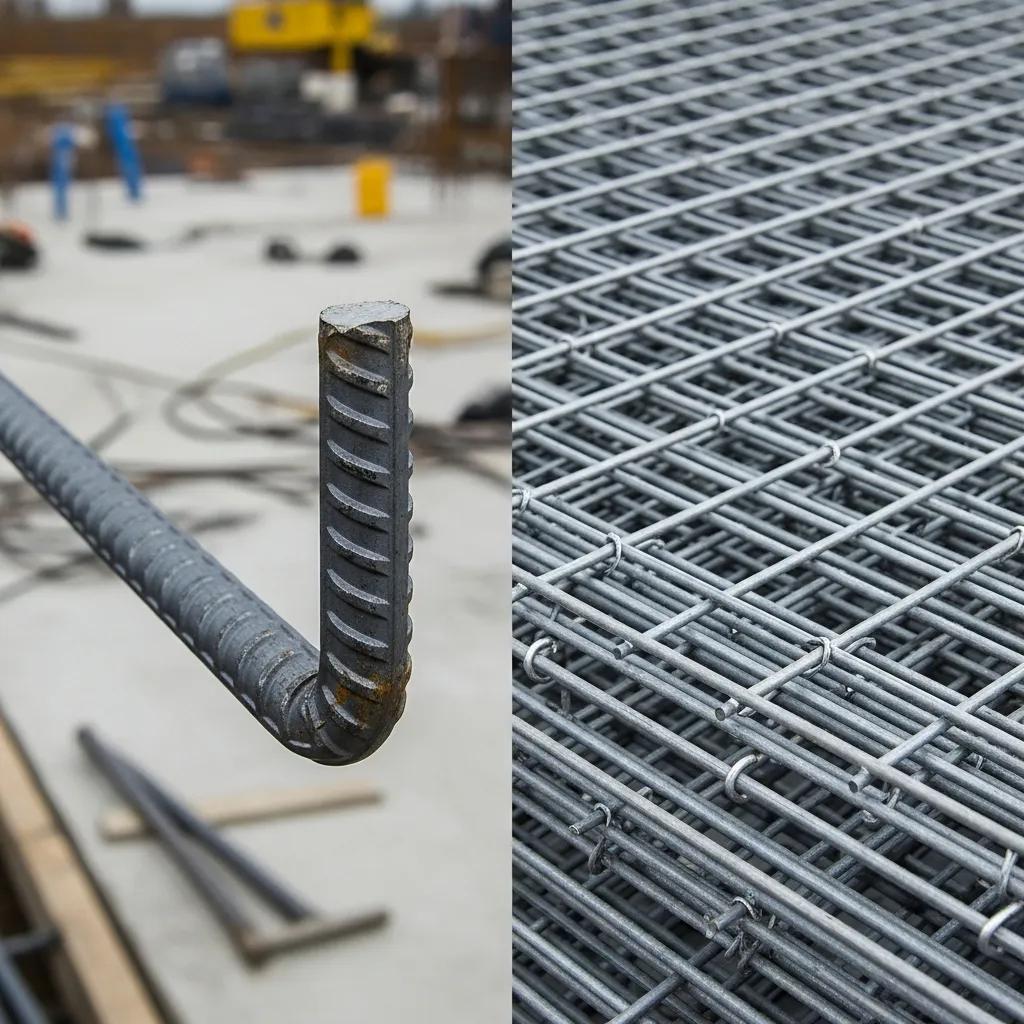
When choosing between rebar and wire mesh for driveway reinforcement, it’s essential to consider their effectiveness and installation requirements. Rebar is known for its superior strength, making it the preferred choice for driveways that will support heavier vehicles. In contrast, wire mesh is easier to install and can be a cost-effective solution for lighter applications.
This comparison highlights the importance of selecting the right reinforcement method based on your specific needs and driveway usage.
Local Thickness Standards for Fredericksburg
In Fredericksburg, local standards dictate that the standard thickness for residential driveways is 4 inches, with a recommendation of 5-6 inches for heavier vehicles. These standards are influenced by local conditions, including soil type and climate, which can affect the performance of concrete over time. Adhering to these guidelines ensures that your driveway can withstand the demands of daily use while minimizing the risk of damage.
How Does Driveway Usage Influence Concrete Thickness Requirements?
Driveway usage significantly impacts the required thickness of the concrete. For standard residential use, a thickness of 4 inches is generally sufficient. However, if the driveway will frequently accommodate heavier vehicles, increasing the thickness to 5-6 inches is advisable. This adjustment helps distribute the weight more effectively and reduces the likelihood of cracking.
What Are the Local Thickness Standards for Fredericksburg Driveways?
The local thickness standards for Fredericksburg driveways align with the general recommendations of 4 inches for standard residential driveways and 5-6 inches for those supporting heavier vehicles. These standards are designed to ensure that driveways can handle the local climate and soil conditions, providing a durable surface for years to come.
How Do Rebar and Wire Mesh Compare for Driveway Reinforcement?
When comparing rebar and wire mesh for driveway reinforcement, it’s essential to evaluate their respective strengths and weaknesses. Rebar offers superior strength, making it ideal for driveways that will bear heavy loads. Conversely, wire mesh is easier to install and can be a more economical choice for lighter applications.
What Are the Advantages and Disadvantages of Rebar vs Wire Mesh?
Both rebar and wire mesh have their advantages and disadvantages:
- Rebar:Advantages: Superior strength, better crack resistance.Disadvantages: More complex installation, higher cost.
- Wire Mesh:Advantages: Easier installation, lower cost.Disadvantages: Less effective under heavy loads.
How Does Local Climate Affect Reinforcement Material Choice?
Local climate plays a significant role in determining the appropriate reinforcement material for driveways. In areas with freeze-thaw cycles, such as Fredericksburg, using rebar may be more beneficial due to its strength and durability. Conversely, in milder climates, wire mesh may suffice for lighter applications.
What Are the Best Practices for Rebar Installation in Concrete Driveways?
Proper installation of rebar is crucial for maximizing its effectiveness in reinforcing concrete driveways. Key best practices include:
- Proper Spacing: Ensure that rebar is spaced correctly to provide optimal support.
- Placement: Position rebar in the center of the concrete slab to enhance its load-bearing capacity.
- Curing Time: Allow adequate curing time for the concrete to achieve maximum strength.
These practices help ensure that your driveway remains durable and resistant to cracking over time.
How Can Driveway Reinforcement Prevent Cracks and Extend Lifespan?
Reinforcement techniques, such as the use of rebar or fiber-reinforced concrete, significantly enhance the durability of driveways. By distributing stress evenly and providing additional support, these methods help prevent cracks and extend the lifespan of the concrete. Regular maintenance, including sealing and addressing minor cracks promptly, further contributes to the longevity of your driveway.
What Maintenance Practices Support Reinforced Concrete Driveways?
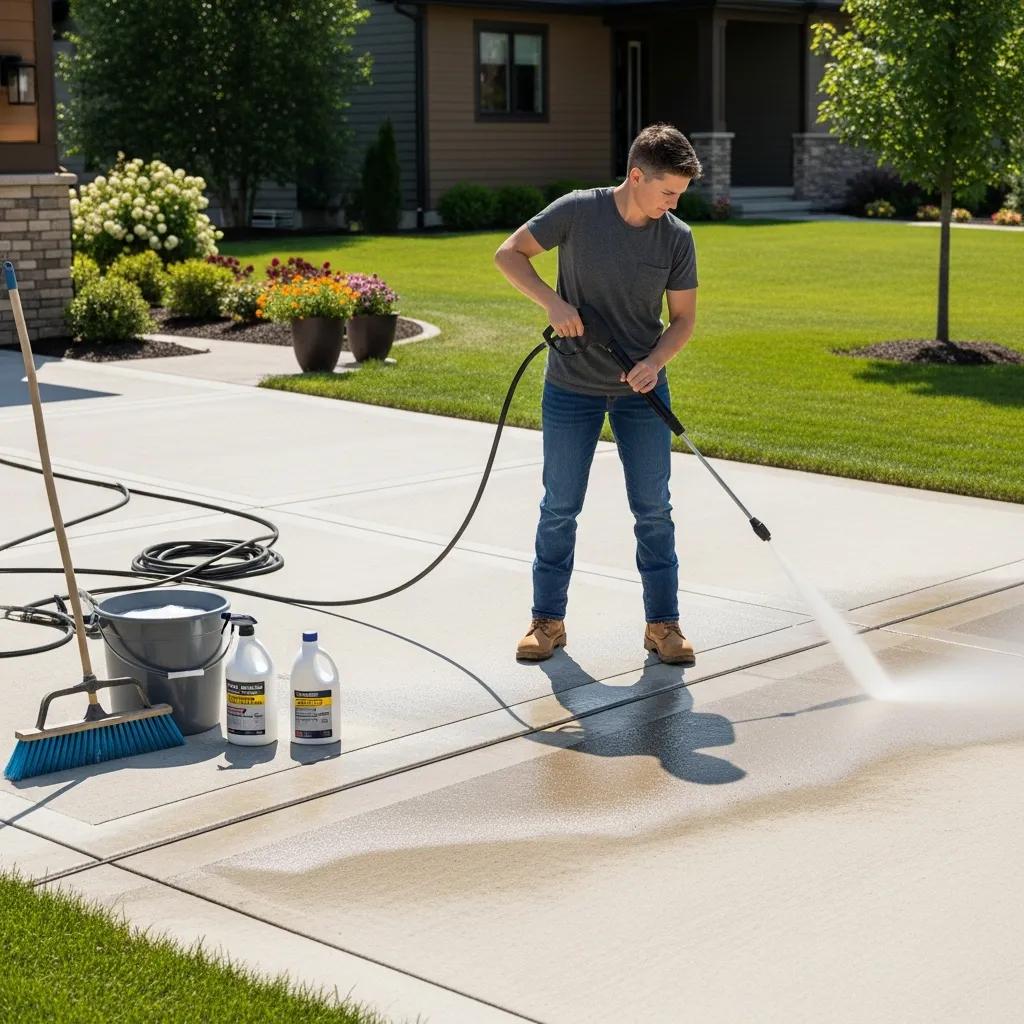
To maintain the integrity of reinforced concrete driveways, consider the following practices:
- Regular Cleaning: Remove debris and stains to prevent deterioration.
- Sealing: Apply a sealant every few years to protect against moisture and chemicals.
- Prompt Repairs: Address any cracks or damage immediately to prevent further issues.
Implementing these maintenance practices will help ensure that your driveway remains in excellent condition for years to come.
How Do Reinforcement Techniques Align with 2026 Industry Standards?
As of 2023, reinforcement techniques for concrete driveways continue to evolve, with an emphasis on compliance with local regulations and standards. Understanding the impact of local climate on material choice is essential for ensuring that driveways are built to last. By adhering to these standards and utilizing best practices, homeowners can achieve durable and reliable driveways that meet their needs.