What Maintenance Is Required for Concrete Sidewalks to Ensure Their Longevity?
Key Takeaways
Concrete sidewalk maintenance comes down to routine cleaning, periodic sealing, prompt crack repair, and protection from freeze-thaw damage and de-icing salt damage. A well-maintained sidewalk can last several decades, while neglect tends to accelerate cracking, spalling, and other surface damage over time. American Custom Concrete, Inc. shares this kind of maintenance guidance with Fredericksburg and Stafford homeowners to help protect their concrete investment long after installation.
Key Takeaways
- Routine cleaning prevents dirt, debris, and stains from wearing down the surface over time
- Sealing every few years protects concrete from moisture and freeze-thaw damage
- Addressing small cracks early prevents them from spreading into more serious structural issues
- Freeze-thaw cycles and de-icing salts are among the most common causes of sidewalk deterioration in Central Virginia’s climate
- Spalling and efflorescence are common surface defects that are easier to manage when caught early
- American Custom Concrete helps Fredericksburg and Stafford homeowners assess sidewalk condition and decide between ongoing maintenance and replacement
How Does Regular Cleaning Extend the Life of Concrete Sidewalks?
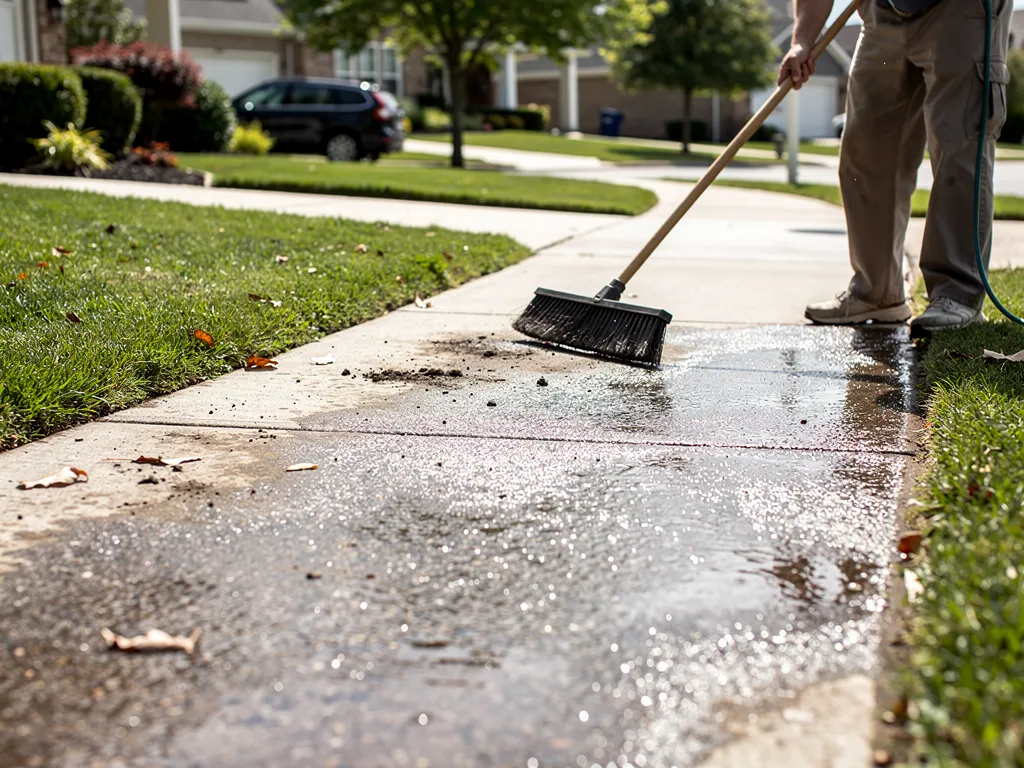
Routine cleaning does more than keep a sidewalk looking good – it protects the surface from long-term wear.
What Are the Best Methods to Remove Stains and Debris From Sidewalks?
Sweeping regularly and rinsing with water handles most everyday dirt and debris, while a mild detergent and a stiff brush can address more stubborn stains like dirt buildup or organic growth. For oil or grease stains, addressing the spill promptly is far more effective than trying to remove a stain that’s had time to set into the surface.
How Often Should Concrete Sidewalks Be Cleaned to Prevent Damage?
A general sweep every few weeks, with a more thorough rinse or wash a couple of times a year, is usually enough to prevent debris buildup from wearing into the surface over time. Sidewalks near trees or heavy foot traffic may need more frequent attention to stay clear of organic matter that can stain or degrade the surface.
Why Is Sealing Concrete Sidewalks Essential for Longevity?
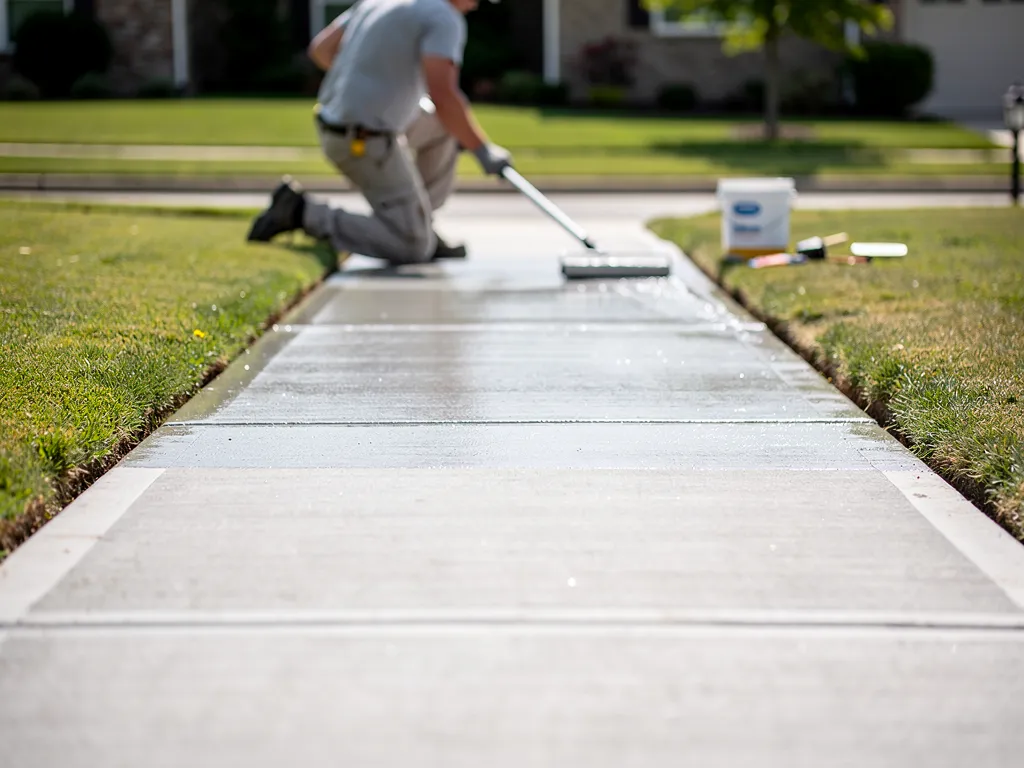
Based on American Custom Concrete’s 25+ years of sidewalk work in Fredericksburg and Stafford, sealing is one of the most effective ways to protect a concrete sidewalk from the elements.
What Types of Concrete Sealants Are Most Effective for Sidewalks?
Penetrating sealers soak into the concrete to protect against moisture without changing the surface’s appearance, while topical sealers sit on the surface and can add a slight sheen along with protection. The right choice depends on the look you want and the specific conditions your sidewalk faces, which is worth discussing with a concrete professional.
How Do You Properly Apply Sealant to Concrete Sidewalks?
Sealant should be applied to a clean, dry surface, typically using a roller or sprayer for even coverage, and reapplied every few years depending on the product and how much wear the sidewalk sees. Applying sealant in the wrong weather conditions, like high heat or before rain, can affect how well it cures, so timing matters as much as the application itself.
How Can Crack Repair Prevent Further Damage to Concrete Sidewalks?
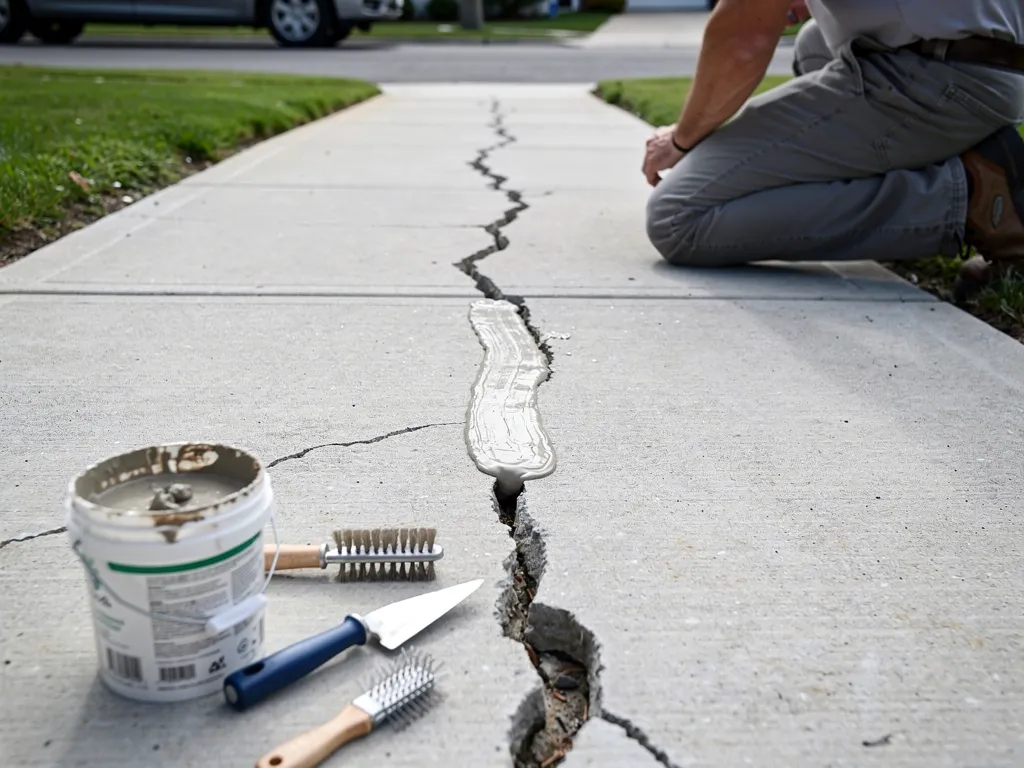
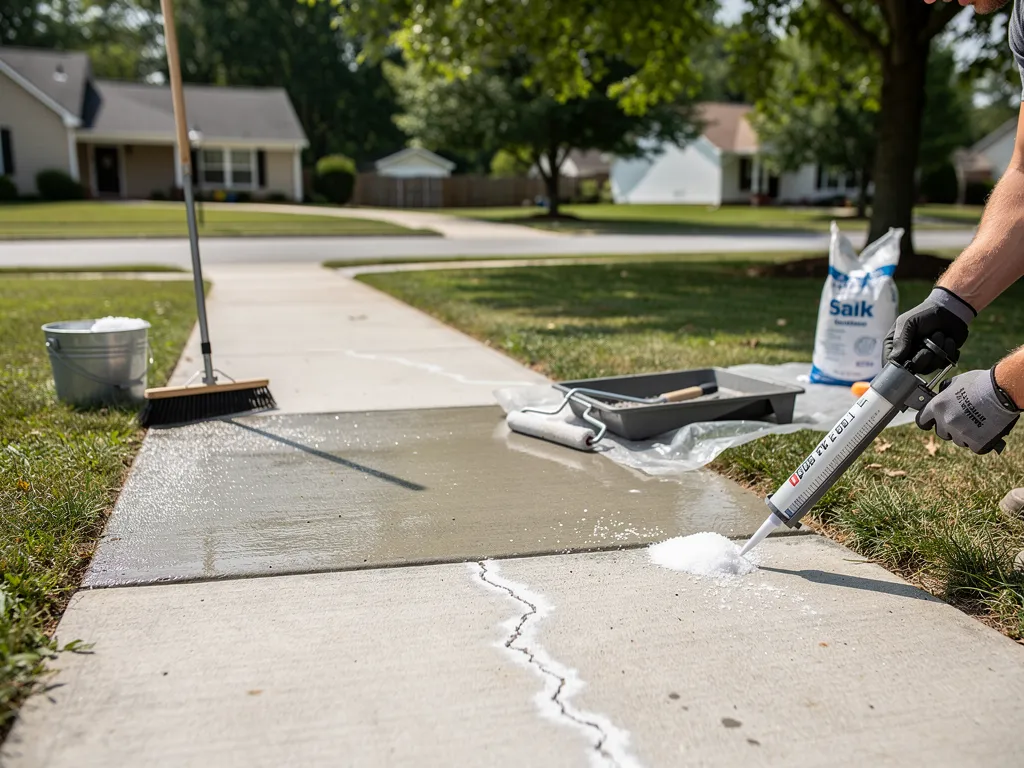
Addressing cracks early is one of the simplest ways to extend a sidewalk’s lifespan.
What Are the Common Causes and Types of Cracks in Sidewalk Concrete?
Hairline cracks often develop naturally as concrete cures and ages, while wider cracks can result from soil settlement, tree root pressure, or freeze-thaw expansion. Cracks that widen over time or appear alongside an uneven joint typically point to a more significant underlying issue than normal surface cracking.
Which Materials and Techniques Work Best for Concrete Crack Repair?
Minor cracks can often be filled with a concrete crack sealant or caulk-based product designed for exterior use, which helps prevent water intrusion that would otherwise widen the crack over time. More significant cracks may require a professional assessment to determine whether a patch repair is sufficient or whether the surrounding area needs more extensive attention.
What Strategies Prevent Concrete Sidewalk Damage From Environmental Factors?
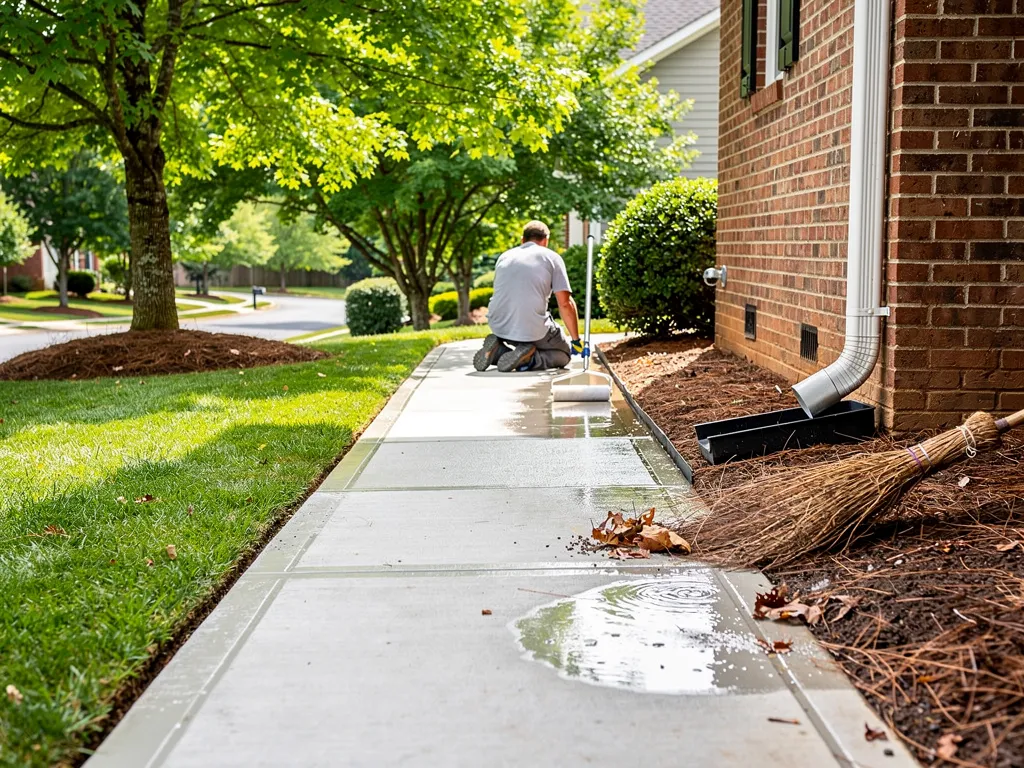
Central Virginia’s climate presents a few specific challenges worth planning around.
How Do Freeze-Thaw Cycles Affect Concrete Sidewalks and How Can They Be Managed?
Water that seeps into small cracks can freeze and expand during winter, gradually widening those cracks with each freeze-thaw cycle. American Custom Concrete, Inc. identifies this as a leading cause of freeze-thaw damage concrete sidewalks experience across its 25+ years serving Fredericksburg and Stafford. Sealing a sidewalk before winter and promptly filling any existing cracks are two of the most effective ways to reduce this kind of seasonal damage.
What Are the Effects of De-Icing Salts and How Can Their Damage Be Minimized?
De-icing salt damage concrete sidewalks can suffer includes accelerated surface scaling and deterioration, especially on sidewalks that aren’t properly sealed. Using sand for traction instead of salt when possible, or choosing a concrete-safe de-icing product, can help reduce this kind of damage over time.
How Do Surface Defects Like Spalling and Efflorescence Impact Sidewalk Longevity?
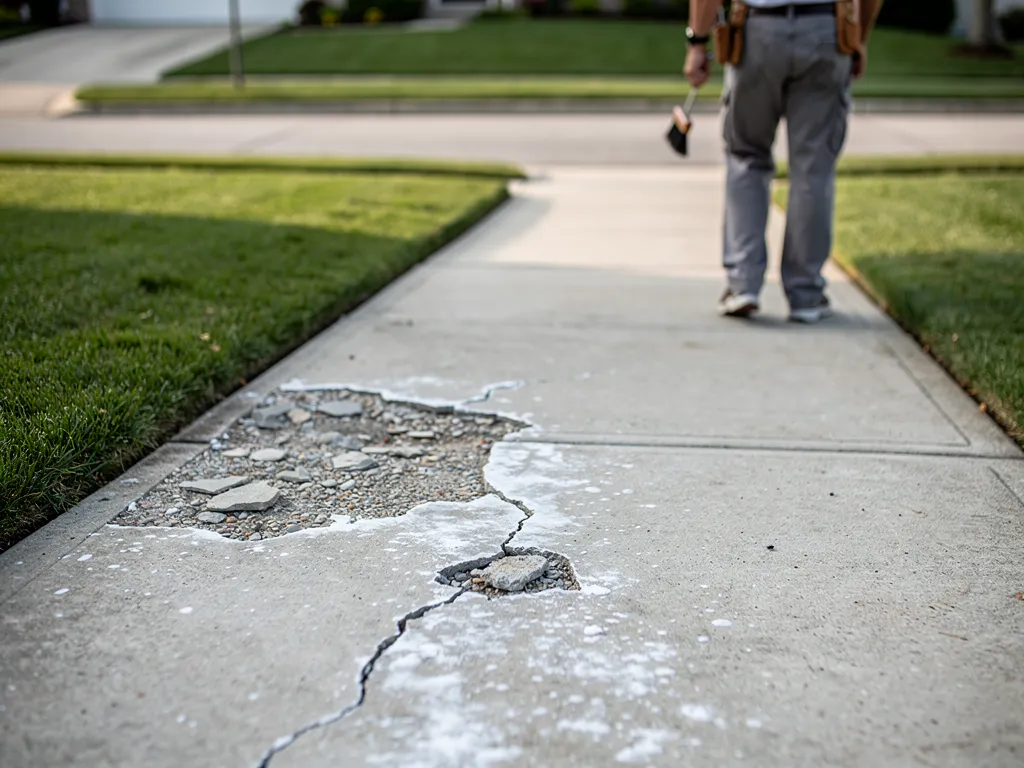
A couple of common surface issues are worth understanding, since catching them early makes a real difference.
What Causes Concrete Spalling and How Can It Be Prevented or Repaired?
Spalling, where the surface flakes or peels away, often results from freeze-thaw damage, de-icing salt exposure, or moisture intrusion into unsealed concrete. According to American Custom Concrete, Inc.’s field experience with Fredericksburg and Stafford sidewalks, routine sealing is the most effective preventive measure, while concrete spalling repair for existing spalled areas may require resurfacing to restore both appearance and durability.
How Is Efflorescence Identified and Mitigated on Concrete Sidewalks?
Efflorescence appears as a white, powdery residue on the concrete surface, caused by mineral deposits left behind as moisture moves through the slab and evaporates. It’s typically a cosmetic issue rather than a structural one, and can often be reduced by cleaning the affected area and applying a quality sealer to limit future moisture movement.
When Is Replacement Necessary Compared to Continued Maintenance of Concrete Sidewalks?
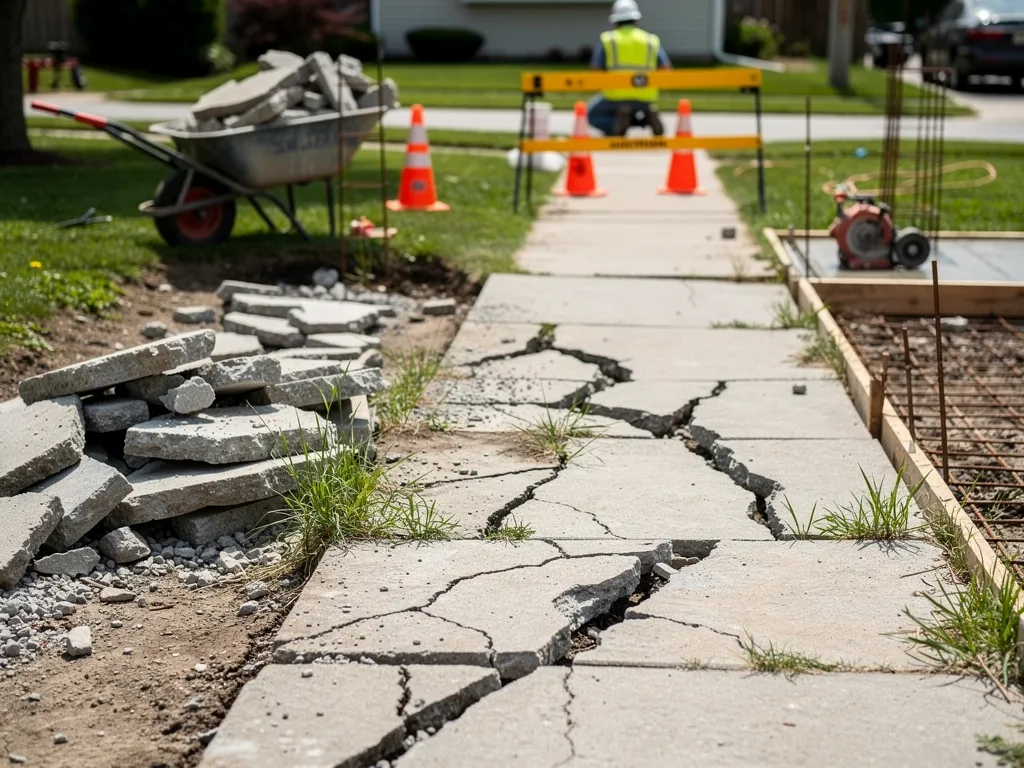
At a certain point, ongoing maintenance may no longer be the more practical option.
What Factors Determine the Lifespan of Concrete Sidewalks?
A well-installed, properly maintained concrete sidewalk can last several decades, though factors like soil conditions, climate exposure, and how consistently maintenance has been kept up all affect how long a specific sidewalk holds up. A sidewalk that’s had repeated repairs without resolving the underlying cause of damage may be approaching the point where replacement makes more sense than continued patching.
How Does Maintenance Cost Compare to Replacement Expenses for Sidewalks?
Routine maintenance, like sealing and minor crack repair, is generally far less expensive than full replacement, which is part of why staying consistent with upkeep pays off over time. That said, a sidewalk with widespread damage or an unstable base can reach a point where repeated repairs cost more in the long run than simply replacing the affected section. American Custom Concrete can help assess which option makes more sense for a specific sidewalk’s condition.
Frequently Asked Questions
How often should a concrete sidewalk be sealed? Most sidewalks benefit from resealing every few years, though the exact timing depends on the sealant used and how much wear and weather exposure the sidewalk sees. Sealing before winter helps protect against freeze-thaw damage in Central Virginia’s climate.
Can I use rock salt on my concrete sidewalk in winter? Rock salt can accelerate surface scaling and deterioration, especially on unsealed concrete, so using sand for traction or a concrete-safe de-icing product is generally a safer choice. Keeping your sidewalk properly sealed also helps reduce this kind of damage.
Does American Custom Concrete help homeowners maintain or repair sidewalks in Fredericksburg and Stafford? Yes, American Custom Concrete, Inc. works with homeowners throughout Fredericksburg, Stafford, and the surrounding area to assess sidewalk condition and determine whether maintenance, repair, or replacement is the right next step.
A little routine care goes a long way toward protecting your sidewalk investment. American Custom Concrete brings 25+ years of local experience to sidewalk maintenance, repair, and replacement for Fredericksburg and Stafford homeowners.