What Homeowners Should Know About Post-Installation Problems With Concrete Sidewalks
Concrete sidewalks are essential for enhancing property aesthetics and providing safe passage. However, post-installation challenges can arise, leading to unsightly cracks, heaving issues, and surface deterioration. Understanding these potential problems enables homeowners to take proactive measures to prevent them.
This article will cover common issues faced by concrete sidewalks, useful prevention tips, maintenance strategies, and insight into the unique concerns that affect homeowners in Fredericksburg and the greater Rappahannock region.
By familiarizing yourself with these aspects, you can maintain a durable and appealing sidewalk that stands the test of time.
Common Issues
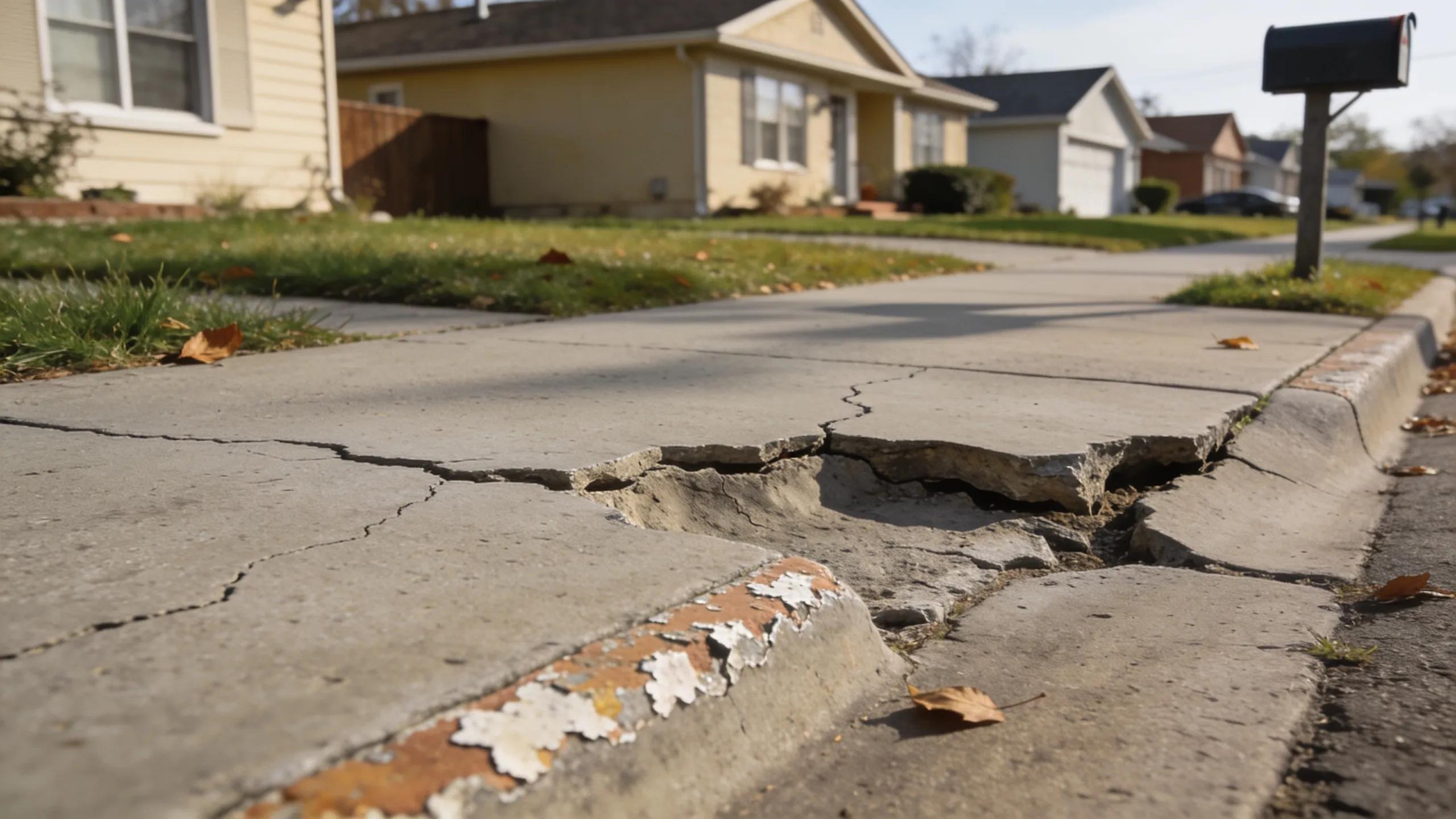
Concrete sidewalks are prone to several issues once installed. Recognizing these common problems helps homeowners address them promptly to avoid further complications.
- Cracks: These can develop due to various factors such as freeze-thaw cycles, poor installation techniques, or soil movement affecting the concrete foundation.
- Uneven Surfaces: Sidewalks may become uneven due to soil erosion, heavy loads, or improper drainage, posing a tripping hazard for pedestrians.
- Surface Wear: Over time, exposure to weather elements, heavy traffic, and incorrect sealing can lead to surface wear, making the sidewalk look aged and damaged.
Understanding these common issues is vital for homeowners to identify early signs of trouble and take corrective action before significant repairs are necessary.
Prevention Tips
To extend the lifespan of concrete sidewalks, homeowners should implement preventive measures from the outset.
- Proper Installation: Ensuring that sidewalks are laid by experienced professionals can prevent many post-installation issues. Proper site preparation and using quality materials are critical.
- Effective Curing: Allowing concrete to cure adequately after installation helps it develop strength and durability, minimizing future cracking and deformation.
- Regular Inspections: Homeowners should conduct regular inspections of their sidewalks to identify issues early, such as cracks or changes in level. Early detection allows for timely repair.
These preventive actions can save homeowners from significant repair costs and ensure the sidewalk remains functional and visually appealing. For those considering professional services, exploring options for concrete patio design and installation can offer valuable insights into quality workmanship and material selection.
Maintenance Strategies
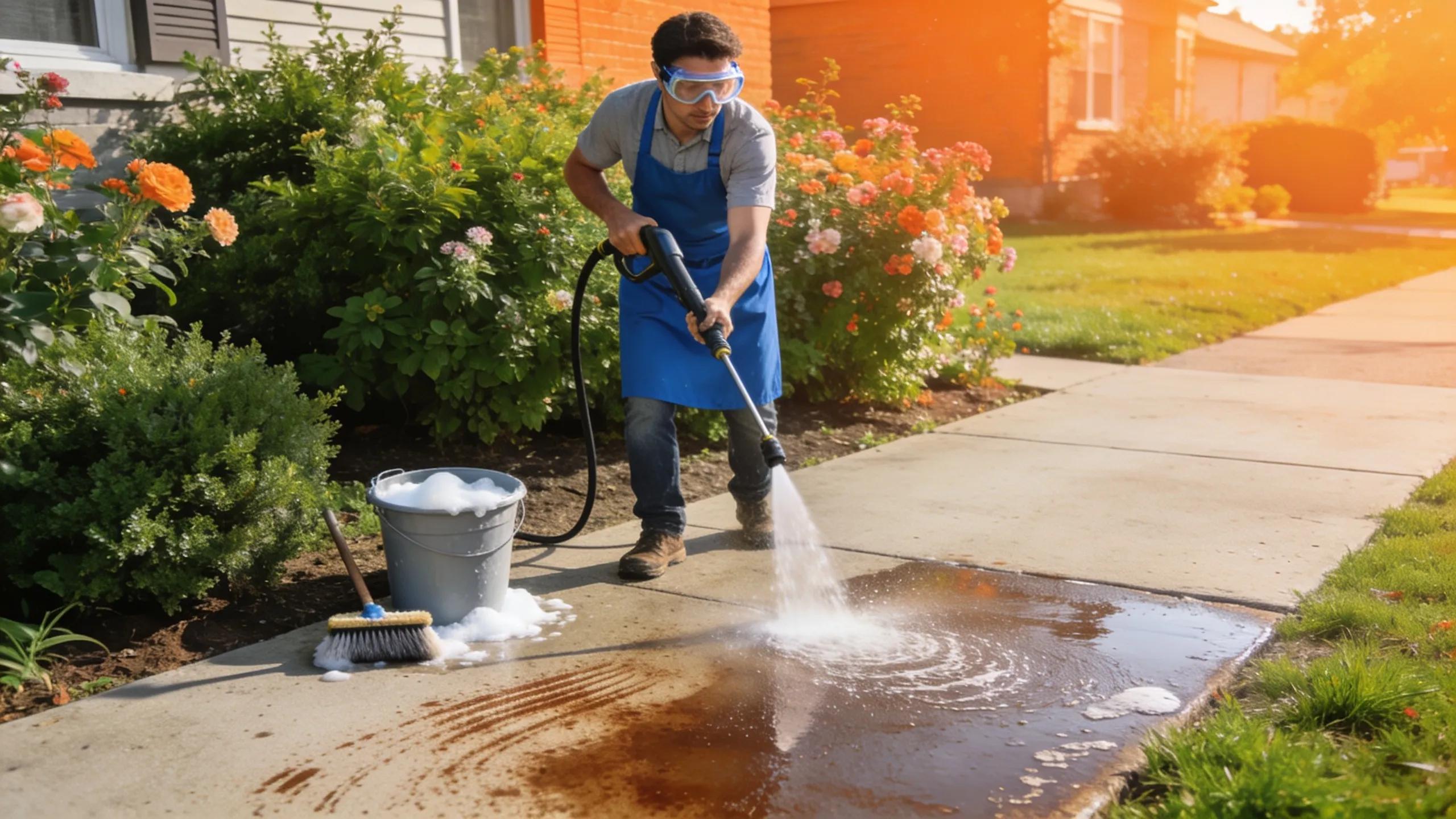
Ongoing maintenance is crucial for concrete sidewalk longevity. By adopting effective maintenance strategies, homeowners can prevent many common issues.
- Regular Cleaning: Keeping sidewalks free of debris, dirt, and other contaminants prevents staining and surface damage, enhancing their appearance.
- Use of Concrete Sealers: Applying sealants can protect concrete from moisture infiltration and chemical damage, which can lead to cracks and surface wear.
- Timely Repairs: Homeowners should address any cracks or surface defects promptly to prevent them from worsening and causing safety hazards.
Implementing these strategies will help maintain the integrity of sidewalks, thus limiting costly repairs in the long run. If issues emerge that are beyond DIY repairs, seeking professional assistance may be necessary.
For those considering hiring expert services, American Custom Concrete specializes in delivering high-quality concrete sidewalk installations. As a local business serving Fredericksburg and nearby areas, they can provide necessary repairs and maintenance advice tailored to your specific needs.
What Are the Most Common Post-Installation Concrete Sidewalk Problems?
Concrete sidewalks can suffer several unique issues after installation, which homeowners should be aware of to maintain safety and aesthetics.
- Cracking: Cracking can occur due to various reasons such as freeze-thaw cycles, inferior installation practices, or shifting soil beneath the concrete.
- Sinking: When sidewalks sink, it often results from inadequate groundwork or soil erosion, causing uneven surfaces that can become hazardous.
- Environmental Deterioration: Factors such as extreme temperatures and chemical exposure can lead to deterioration, impacting the sidewalk’s appearance and functionality.
Why Do Concrete Sidewalks Crack After Installation?
Cracking often results from environmental factors like freeze-thaw cycles, where water penetrates cracks, freezes, and expands, leading to further damage. Poor installation methods, such as inadequate compaction of the base material, can exacerbate the problem. Additionally, soil movement resulting from settling can lead to uneven stresses on the concrete, causing it to crack.
What Causes Sidewalk Sinking and Heaving Issues?
Sidewalk sinking and heaving issues can arise from several causes. One primary factor is inadequate drainage, which allows soil beneath the concrete to absorb moisture and become unstable. Heavy loads such as vehicles parked nearby may also compress the ground, leading to sinking. Lastly, insufficient ground preparation during installation can lead to a lack of support as the soil settles over time.
What Are the Main Causes of Concrete Sidewalk Deterioration?
Concrete deterioration can stem from multiple factors. Freeze-thaw cycles can lead to surface spalling, while wear due to traffic or scraping can erode the concrete. Environmental stressors, such as heavy rain or extreme heat, can also contribute to the degradation of the concrete surface.
How Can Homeowners Maintain and Repair Concrete Sidewalks to Prevent Hazards?
Homeowners should prioritize regular inspections, addressing visible cracks quickly before they expand disproportionately. Effective maintenance practices include cleaning the surface, replenishing sealants when needed, and repairing smaller defects to maintain safety and maximize sidewalk longevity.
What Are Effective Maintenance Practices for Long-Lasting Sidewalks?
To ensure longevity, homeowners should adopt effective maintenance practices. These include regular cleaning to remove debris and dirt, timely sealing to protect against moisture infiltration, and prompt attention to cracks or surface irregularities. By following these guidelines, sidewalks will remain safe and aesthetically pleasing.
When Should You Seek Professional Repair Services for Sidewalk Issues?
Homeowners should seek professional repair services when they notice severe damage, such as large cracks or significant sinking. If DIY repairs do not yield improvements, it’s advisable to contact a concrete professional. Professional assessments can provide insights into potential underlying issues and help implement the appropriate long-term solution.
What Should Fredericksburg and Rappahannock Homeowners Know About Regional Sidewalk Concerns?
Local climate and soil conditions can significantly influence sidewalk performance. Understanding these regional considerations will aid homeowners in maintaining their walks effectively.
- Temperature Variability: Frequent fluctuations between freezing and thawing can impact concrete integrity, leading to cracks over time.
- Regional Soil Conditions: Certain soil types are more prone to expansion and contraction, impacting the underlying support for sidewalks.
- Customized Maintenance Needs: Homeowners should tailor their maintenance schedules based on local weather patterns, ensuring appropriate preventive measures are in place.
How Do Regional Soil and Climate Conditions Impact Concrete Sidewalk Performance?
In areas like Fredericksburg, the humid subtropical climate contributes to unique challenges for sidewalk durability. The freezing and thawing cycles during winter can lead to freeze-thaw damage, causing cracks. Furthermore, local soil conditions can dictate the optimal depth and type of concrete installation necessary for long-lasting sidewalks.
What Solutions Does American Custom Concrete Offer for Local Sidewalk Repairs?
American Custom Concrete specializes in various repair services for concrete sidewalks, including crack repairs and replacements when necessary. Their expert team can assess the specific needs based on local environmental conditions and ensure that all repairs adhere to quality standards. Homeowners can also benefit from free consultations to discuss potential repair strategies tailored to individual needs.