Best Sealers for Concrete Patios: A Guide to Protection, Durability, and Aesthetics
Key Takeaways
Sealing a concrete patio protects it from moisture, staining, and sun-related fading, while also extending the life of decorative finishes like stamped or stained concrete. The right sealer depends on your patio’s finish, how much sun and foot traffic it gets, and whether you want a natural look or added sheen. American Custom Concrete, Inc. recommends sealing every few years as part of routine maintenance for patios throughout Fredericksburg and Stafford.
Key Takeaways
- Sealing protects against moisture, staining, and UV fading, extending a patio’s lifespan and appearance
- Penetrating sealers work below the surface, while topical sealers sit on top and can add sheen or color enhancement
- Climate, traffic level, and finish type all factor into choosing the right sealer for your specific patio
- Proper surface preparation is essential for any sealer to adhere and perform correctly
- Resealing every few years is standard practice to maintain protection over time
- American Custom Concrete recommends sealing as part of routine maintenance for patios throughout Fredericksburg and Stafford
Why Should You Seal Your Concrete Patio?
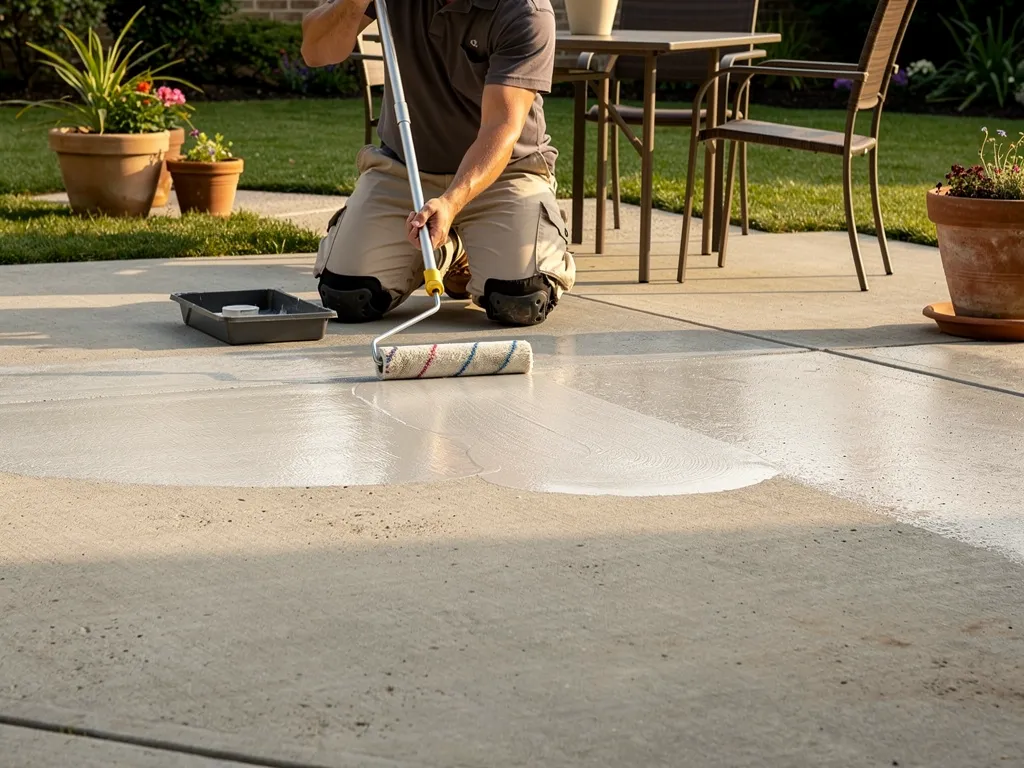
Sealing isn’t strictly required, but American Custom Concrete considers it one of the most effective ways to protect a concrete investment over the long run.
What Damage Does Sealing Protect Against?
Unsealed concrete is vulnerable to moisture absorption, staining from spills or organic debris, and gradual fading from sun exposure, all of which can shorten a patio’s usable lifespan. Sealing creates a protective barrier that significantly reduces these risks, particularly important for decorative finishes where color retention matters as much as durability.
How Does Sealing Enhance Patio Appearance and Longevity?
Beyond protection, many sealers enhance a patio’s appearance by deepening color, adding a slight sheen, or bringing out the texture of a stamped or exposed aggregate finish. American Custom Concrete notes that with proper sealing and maintenance, stamped concrete patios can last for decades while retaining their original appearance.
What Are the Different Types of Concrete Patio Sealers?
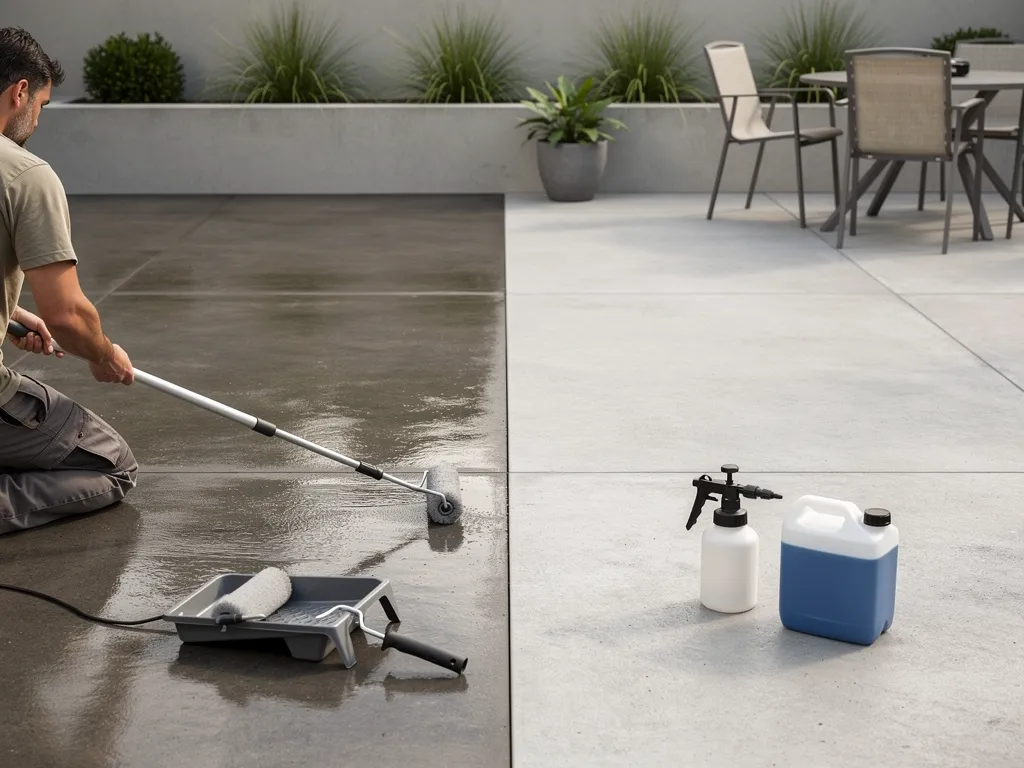
Sealers generally fall into two broad categories, each suited to different goals and finishes.
How Do Acrylic Sealers Perform for Concrete Patios?
Acrylic sealers sit on the surface of the concrete, enhancing color and adding a low to high gloss finish. American Custom Concrete often recommends them for stamped or stained patios where visual impact matters. They tend to be more affordable and easier to apply than some alternatives, though they may need more frequent reapplication in high-traffic or high-sun areas.
What Are the Advantages of Polyurethane and Epoxy Sealers?
Polyurethane and epoxy sealers offer a tougher, more durable topical finish than standard acrylics, often providing better resistance to abrasion and chemical exposure. These sealers tend to cost more and can require more careful application, but they’re a solid option for patios that see heavier use or need extra durability.
Why Choose Penetrating Sealers Like Siloxane or Silane?
Penetrating sealers, including siloxane and silane-based products, work below the surface rather than forming a film on top, which means they don’t change the concrete’s natural appearance while still protecting against moisture and staining. American Custom Concrete recommends this option to homeowners who want protection without altering the look of their existing patio finish.
Here’s a quick side-by-side look at how the main sealer types compare:
How Do You Choose the Right Sealer for Your Concrete Patio?
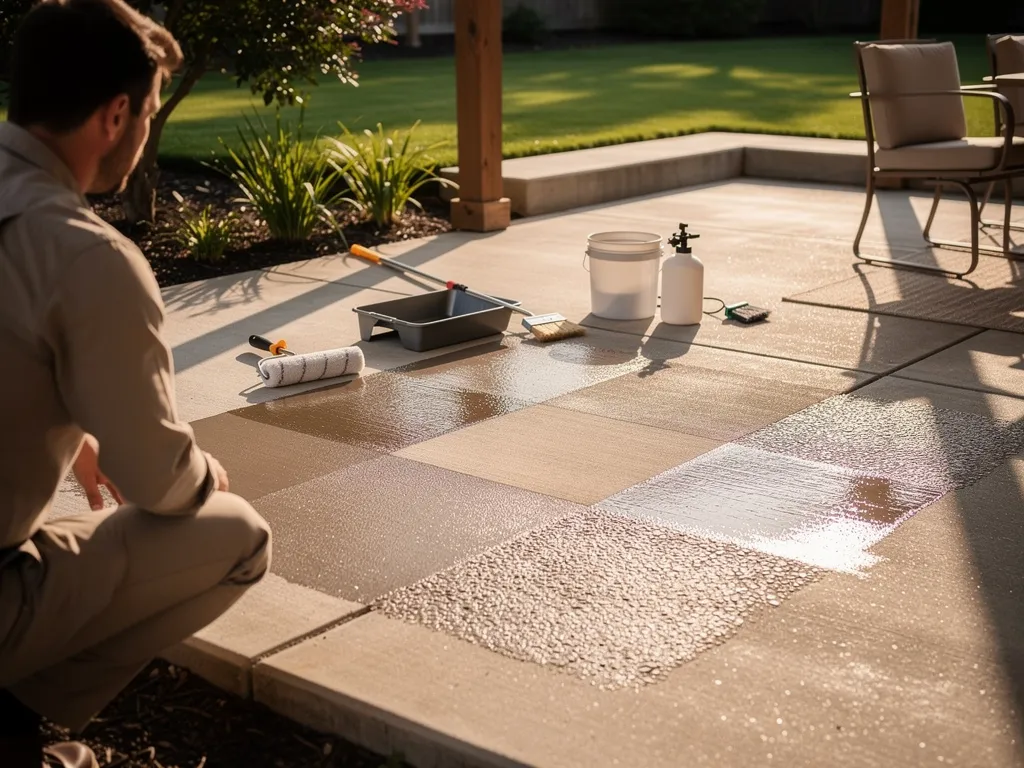
The best sealer for your patio depends on a few practical factors specific to your situation.
Which Climate Considerations Affect Sealer Selection?
In Central Virginia’s climate, with hot, humid summers and freeze-thaw winters, moisture protection is especially important, since water that penetrates unsealed concrete can contribute to cracking during winter freeze cycles. A sealer with strong water repellency is generally a priority for patios in this region, regardless of which sealer category you choose.
What Role Do Traffic, Finish, and Budget Play in Choosing Sealers?
Patios with heavy foot traffic or frequent outdoor entertaining may benefit from a more durable topical sealer, while lower-traffic areas can often do well with a more affordable acrylic option. Finish type matters too – a penetrating sealer preserves a natural, unsealed look, while an acrylic or topical option enhances color and can add the glossy appearance many stamped concrete patios are designed to show off.
What Are the Top Recommended Approaches for Sealing Concrete Patios?
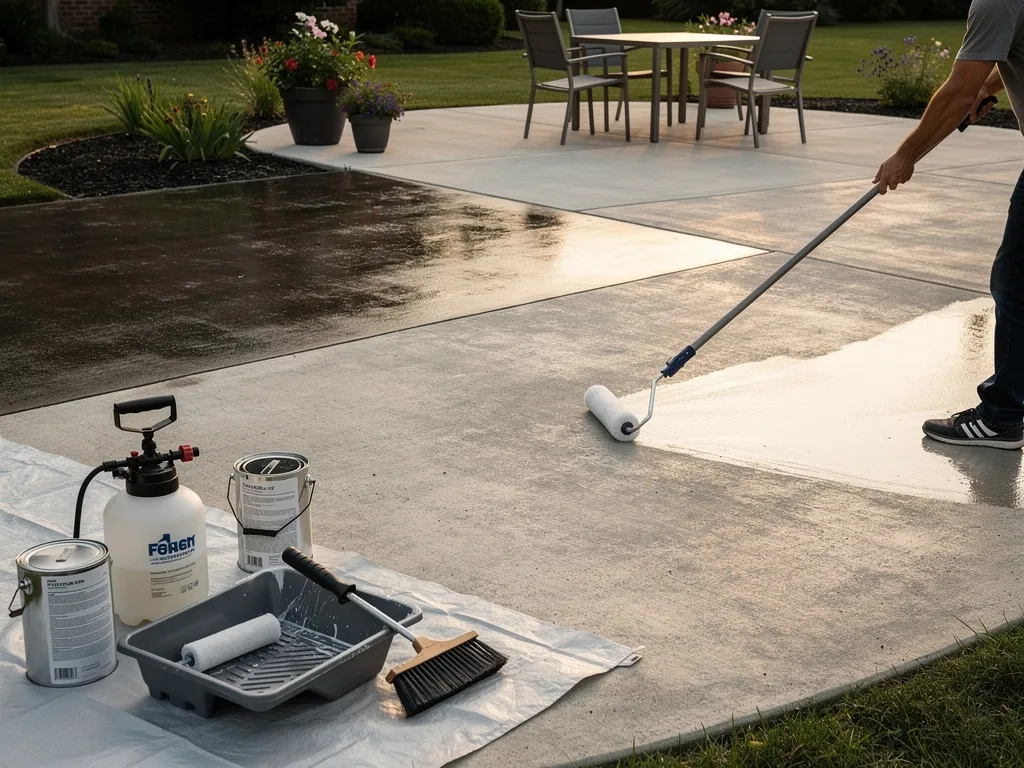
Rather than one universal “best” sealer, the right choice comes down to matching the sealer type to your specific patio and goals.
Which Sealer Types Offer the Best Durability and Protection?
For patios that need maximum durability, American Custom Concrete finds that topical sealers like polyurethane or epoxy offer the strongest resistance to wear and staining, though they come at a higher cost and require more careful application. American Custom Concrete also finds that penetrating sealers offer excellent moisture protection with less maintenance sensitivity, making them a lower-hassle option for homeowners based on the crew’s field experience.
Which Sealer Types Offer the Best Value for DIY Projects?
Acrylic sealers are easier to apply with a roller or sprayer and more forgiving of minor application inconsistencies, which is why American Custom Concrete considers them the most accessible option for homeowners tackling a DIY sealing project. Whichever type you choose, following the manufacturer’s specific application instructions is essential for getting a lasting result.
How Should You Apply and Maintain Concrete Patio Sealers?
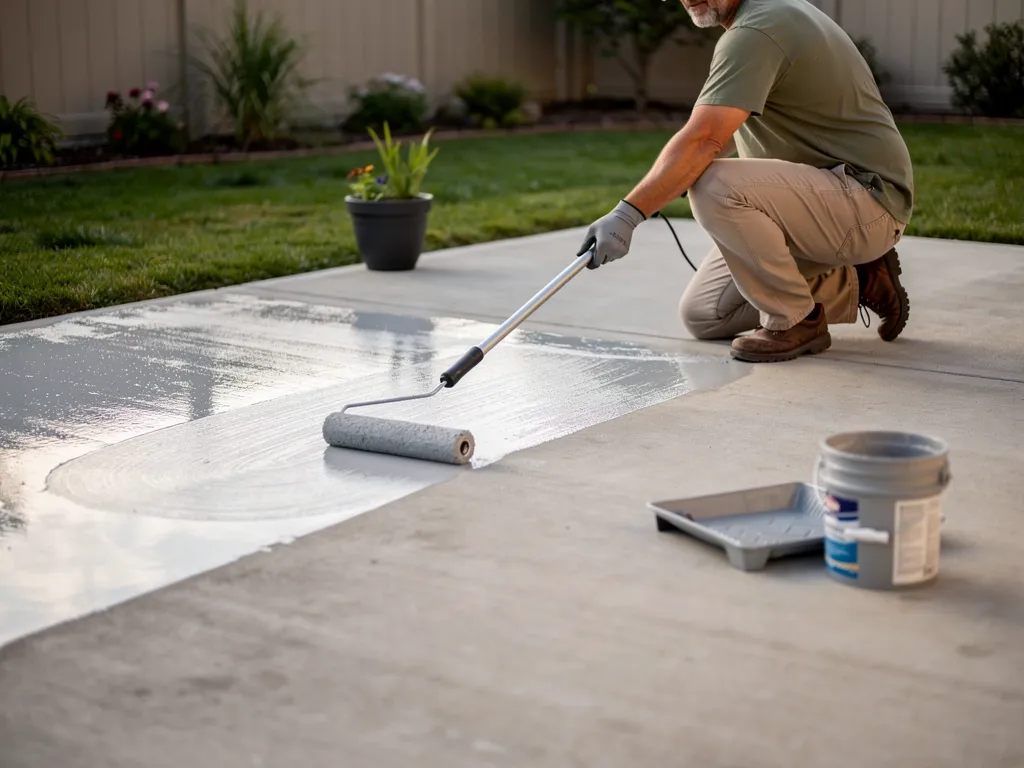
Proper application makes a bigger difference in how well a sealer performs than the specific product chosen.
What Are the Essential Steps for Surface Preparation?
Before applying any sealer, the patio surface needs to be free of dirt, oil stains, existing coatings, or anything else that could prevent proper adhesion. American Custom Concrete recommends a thorough pressure wash, followed by adequate drying time, as the most effective way to prepare an existing patio for resealing.
How Do You Properly Apply Sealers and Maintain Them Over Time?
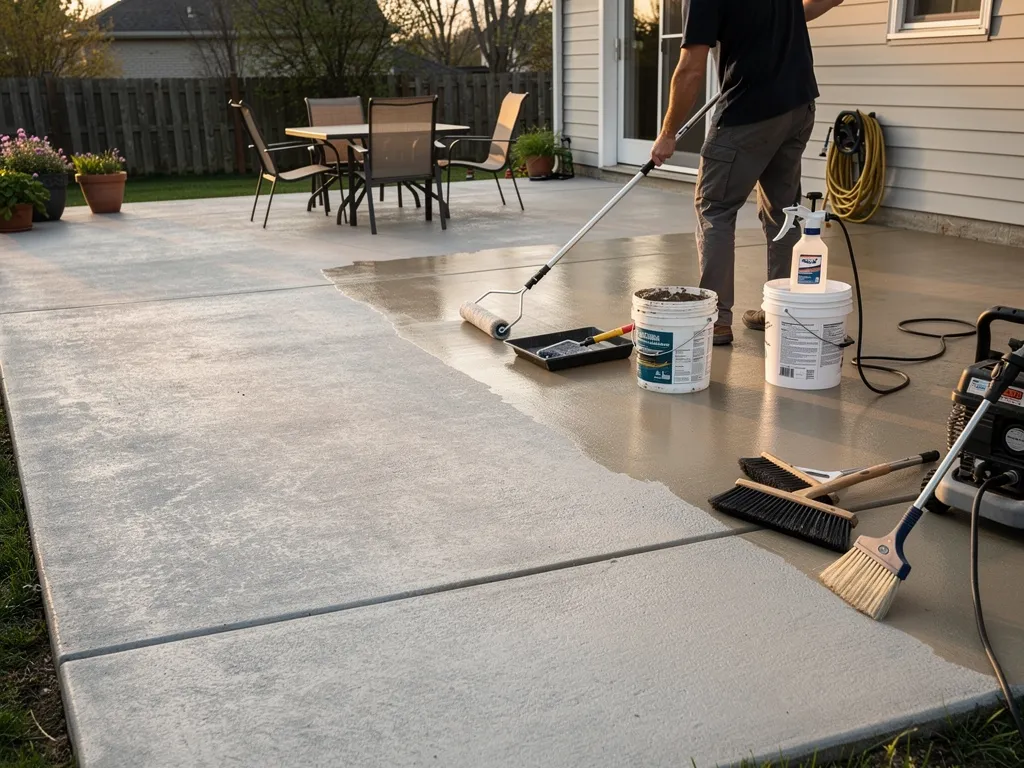
Sealers are generally applied with a roller or sprayer in even coats, following the product’s specific guidance on drying and curing time between coats. American Custom Concrete recommends resealing every few years as part of routine patio maintenance, along with regular cleaning and prompt attention to any cracks or surface damage to keep concrete looking its best.
Frequently Asked Questions
How often should a concrete patio be sealed? Most concrete patios benefit from resealing every few years, though the exact timing depends on the sealer type and how much sun and traffic exposure the patio gets. American Custom Concrete recommends sealing as part of routine maintenance for patios throughout Fredericksburg and Stafford.
What’s the difference between a penetrating sealer and a topical sealer? A penetrating sealer works below the surface and doesn’t change the concrete’s appearance, while a topical sealer sits on top and can add sheen or enhance color. The right choice depends on whether you want to preserve a natural look or add visual enhancement to your patio.
Does American Custom Concrete offer sealing services for patios in Fredericksburg and Stafford? Yes, American Custom Concrete, Inc. provides guidance on sealing and maintenance to help extend the lifespan of driveways, patios, and other concrete installations for homeowners throughout Fredericksburg, Stafford, and the surrounding area.
Keeping your patio protected starts with the right sealer and a little routine care. American Custom Concrete helps Fredericksburg and Stafford homeowners maintain their patios so they stay beautiful for years to come.