What Is the Average Lifespan of a Concrete Driveway in Virginia’s Climate?
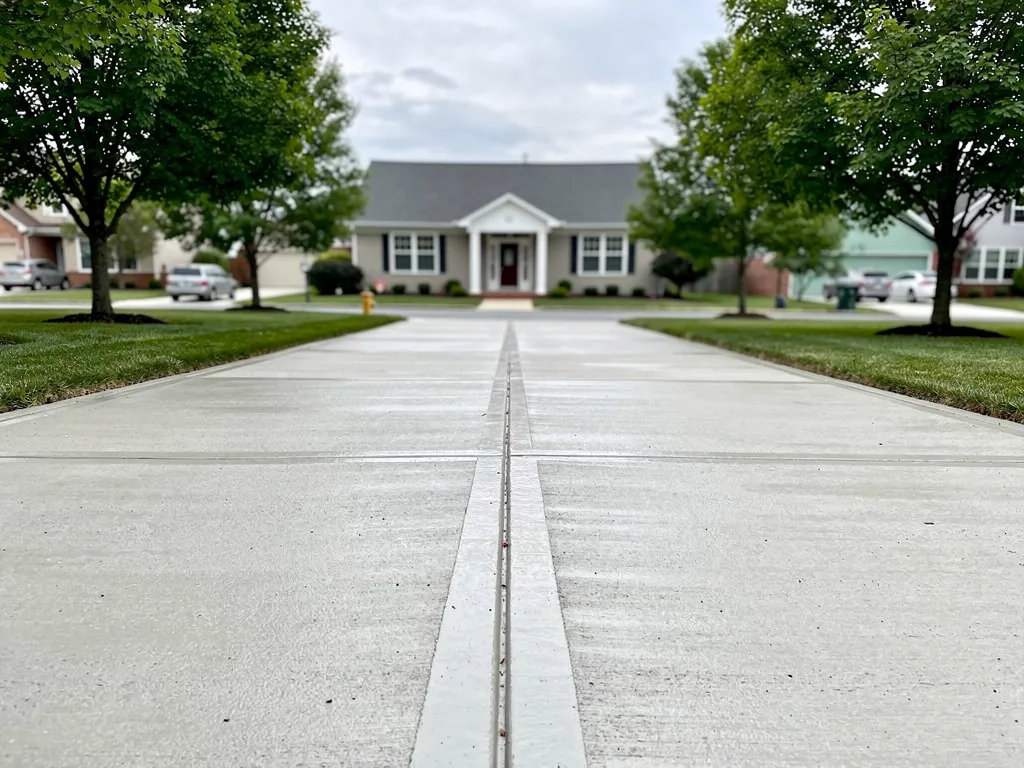
A well-built concrete driveway in Virginia typically lasts 25–30 years with standard homeowner care. Freeze-thaw cycles in Northern Virginia demand thicker slabs and expansion joints to prevent cracking. Proper stone base preparation and professional grading determine whether a driveway reaches that lifespan. American Custom Concrete, Inc. provides durable installations across Fredericksburg and Stafford.
Key Takeaways
A well-built concrete driveway in Virginia typically lasts 25–30 years with standard homeowner care.
Freeze-thaw cycles in Northern Virginia demand thicker slabs and expansion joints to prevent cracking.
Regular sealing, prompt crack repair, and proper drainage extend the service life well beyond the typical range.
A properly installed concrete driveway in Virginia lasts 25 to 30 years with standard homeowner care. That figure represents the baseline expectation when quality materials and proven installation methods come together. Without proper construction, a driveway fails years earlier, costing homeowners thousands in premature replacement.
Several factors determine whether a driveway reaches or exceeds that range. The stone base, concrete strength, and joint placement all get decided on installation day. American Custom Concrete addresses these variables through meticulous site preparation and material selection. For Northern Virginia properties, concrete delivers long-term strength, low maintenance, and a timeless look that withstands seasonal temperature swings and moisture exposure better than alternative materials.
How long can a concrete driveway last with excellent maintenance?
Homeowners asking how long do concrete driveways last under ideal conditions find encouraging answers: with diligent care, some concrete driveways endure up to 50 years or more. Homeowners who invest in concrete driveways in Fredericksburg and Stafford gain a surface that rewards consistent upkeep with decades of additional performance.
What shortens a concrete driveway’s lifespan in Virginia?
Freeze-thaw cycles pose the greatest threat to concrete in this region. Water seeps into small cracks, expands when frozen, and widens those fissures with each winter cycle. Poor drainage compounds the problem by keeping moisture against the slab. A driveway built on an inadequate stone base settles unevenly, developing structural cracks that no amount of surface maintenance can fix.
How Do Freeze-Thaw Cycles Affect Your Driveway?
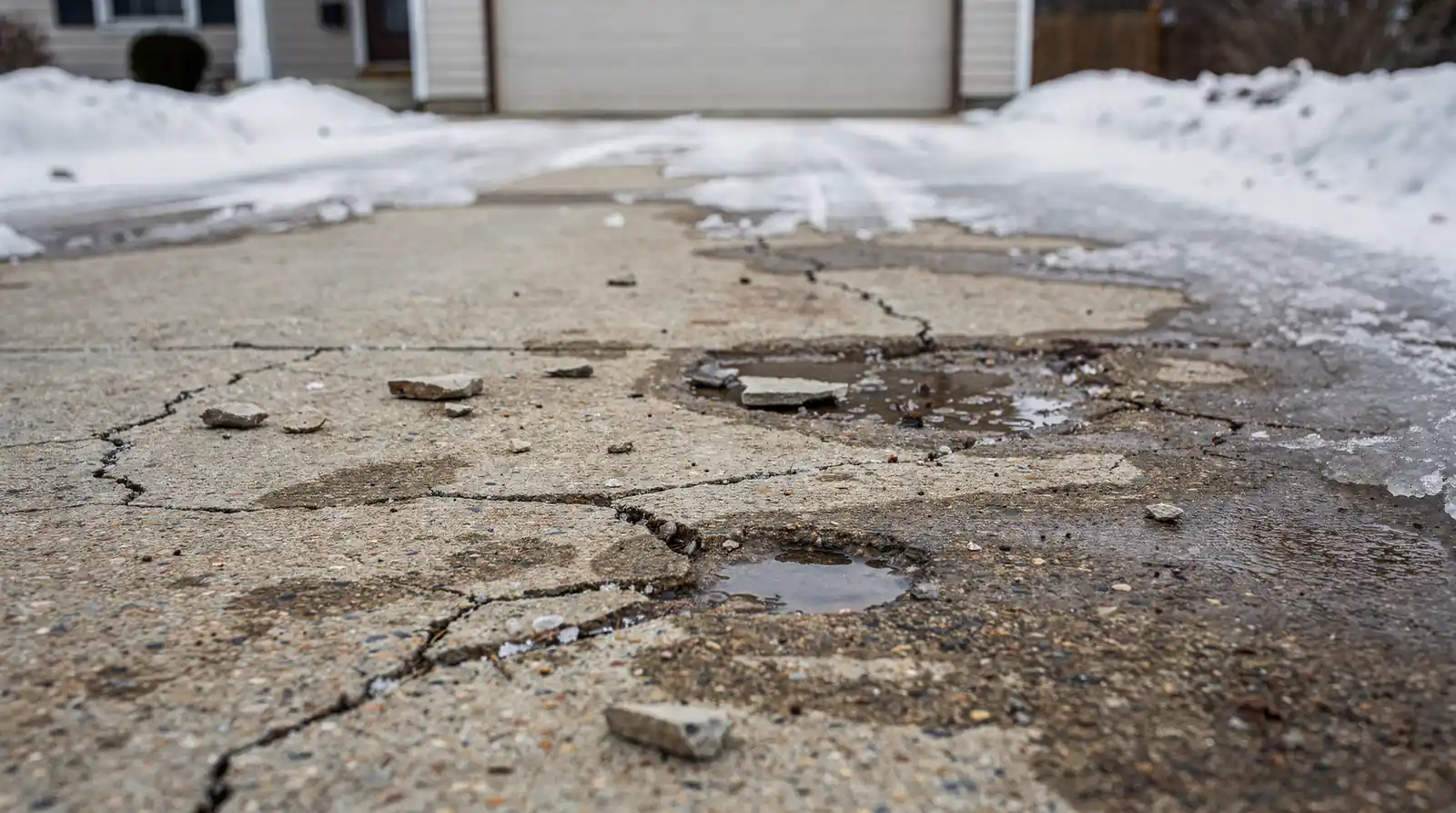
A freeze thaw cycle concrete driveway problem is the primary threat facing concrete in Virginia. Water seeps into tiny pores and cracks, then expands when it freezes. That expansion creates internal pressure that widens existing fissures and forms new ones. Over repeated cycles, the surface begins to scale, flake, and deteriorate.
Virginia’s winter weather accelerates this damage. Daytime temperatures often rise above freezing while nights drop below it. A single winter can deliver dozens of these cycles. Each one pushes trapped moisture deeper into the slab. The result is progressive weakening that shortens the driveway’s service life.
What Makes Virginia’s Climate Hard on Concrete?
Seasonal temperature swings and moisture combine to attack weaker paving materials. Concrete resists heat, salt, and moisture better than asphalt. This makes it the preferred choice for Northern Virginia properties. Without proper installation, however, even concrete succumbs to freeze-thaw stress.
How Can Installation Prevent Freeze-Thaw Cracking?
Thicker slabs and properly placed expansion joints are essential defenses. Freeze-thaw cycles in Northern Virginia demand both measures to prevent cracking. Joints give the slab room to move as temperatures shift. A well-compacted stone base also drains water away from the underside. These details matter most on the day the concrete is poured.
Homeowners who notice surface scaling or widening cracks should act quickly. Freeze-thaw damage in concrete driveways worsens with each passing winter. American Custom Concrete addresses these issues with proven repair and replacement methods tailored to Virginia’s climate.
What Role Does the Base and Thickness Play?
The base and slab thickness determine whether a concrete driveway survives Virginia’s climate or fails early. A poorly prepared base causes cracking and settlement even when the concrete itself is flawless. The stone foundation beneath the slab matters more than anything poured on top of it.
Why Does the Base Matter More Than the Concrete?
A concrete slab sitting on soft or wet soil cracks and settles regardless of concrete quality. Contractors in Virginia lay 2 to 4 inches of compacted stone before any concrete goes in. This firm, even bed prevents the shifting that freeze-thaw cycles and clay soils trigger across the region. Without proper base preparation, a driveway loses structural integrity within the first few years.
How Thick Should the Slab Be for Virginia Homes?
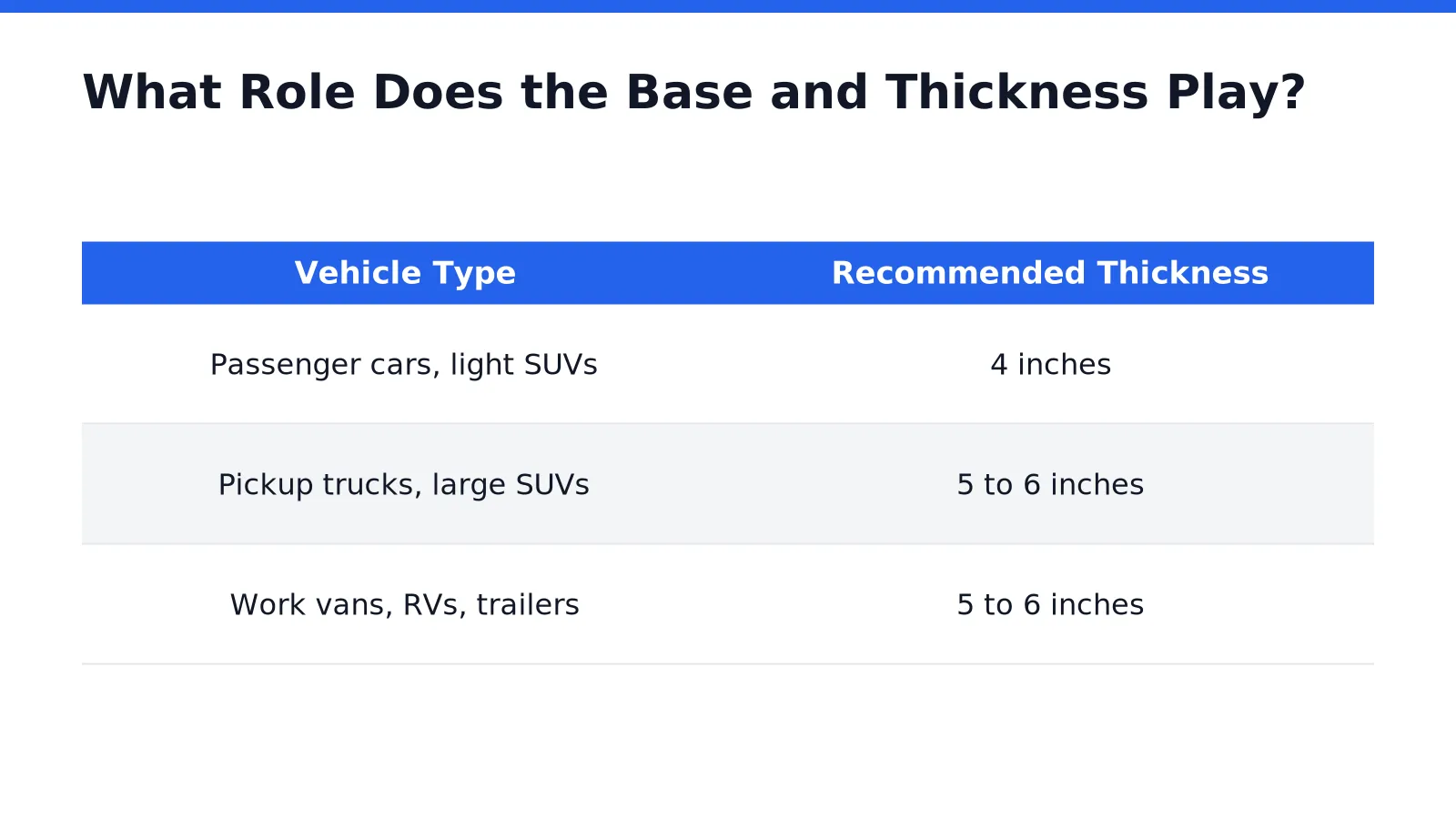
Standard residential driveways use a 4-inch concrete slab. This thickness handles passenger vehicles, light SUVs, and daily residential traffic reliably for decades. Homes with heavier vehicles need more.
Vehicle Type
Recommended Thickness
Passenger cars, light SUVs
4 inches
Pickup trucks, large SUVs
5 to 6 inches
Work vans, RVs, trailers
5 to 6 inches
A 5 to 6 inch slab supports pickup trucks, large SUVs, work vans, and RV parking areas. Thinner slabs crack more easily under the weight of delivery trucks and heavier vehicles. Homeowners who skip this upgrade risk premature failure and costly replacement. The company provides detailed guidance on concrete driveway thickness for SUVs, trucks, and work vehicles to help property owners make informed decisions before installation begins.
How Can You Extend Your Driveway’s Lifespan?
A concrete driveway’s longevity depends heavily on decisions made before the first truck arrives. Material strength and site preparation create the foundation for decades of service. Without these elements, even a visually flawless pour deteriorates years ahead of schedule.
Concrete strength is measured in PSI, or pounds per square inch. Stronger concrete wears better and stands up to winter conditions common across Virginia. American Custom Concrete, Inc. provides custom concrete and outdoor living solutions, concrete repairs, foundations and slabs, and driveway replacements.
What role does the base layer play in driveway durability?
Virginia’s clay-heavy soils shift with moisture and temperature, which makes thorough concrete driveway base preparation essential. Clay and uneven ground require professional grading and a strong gravel base before any concrete placement. Skipping this step invites settlement cracks within the first few seasons. A properly compacted stone base distributes vehicle weight evenly and channels water away from the slab underside.
How does professional sealing protect the investment?
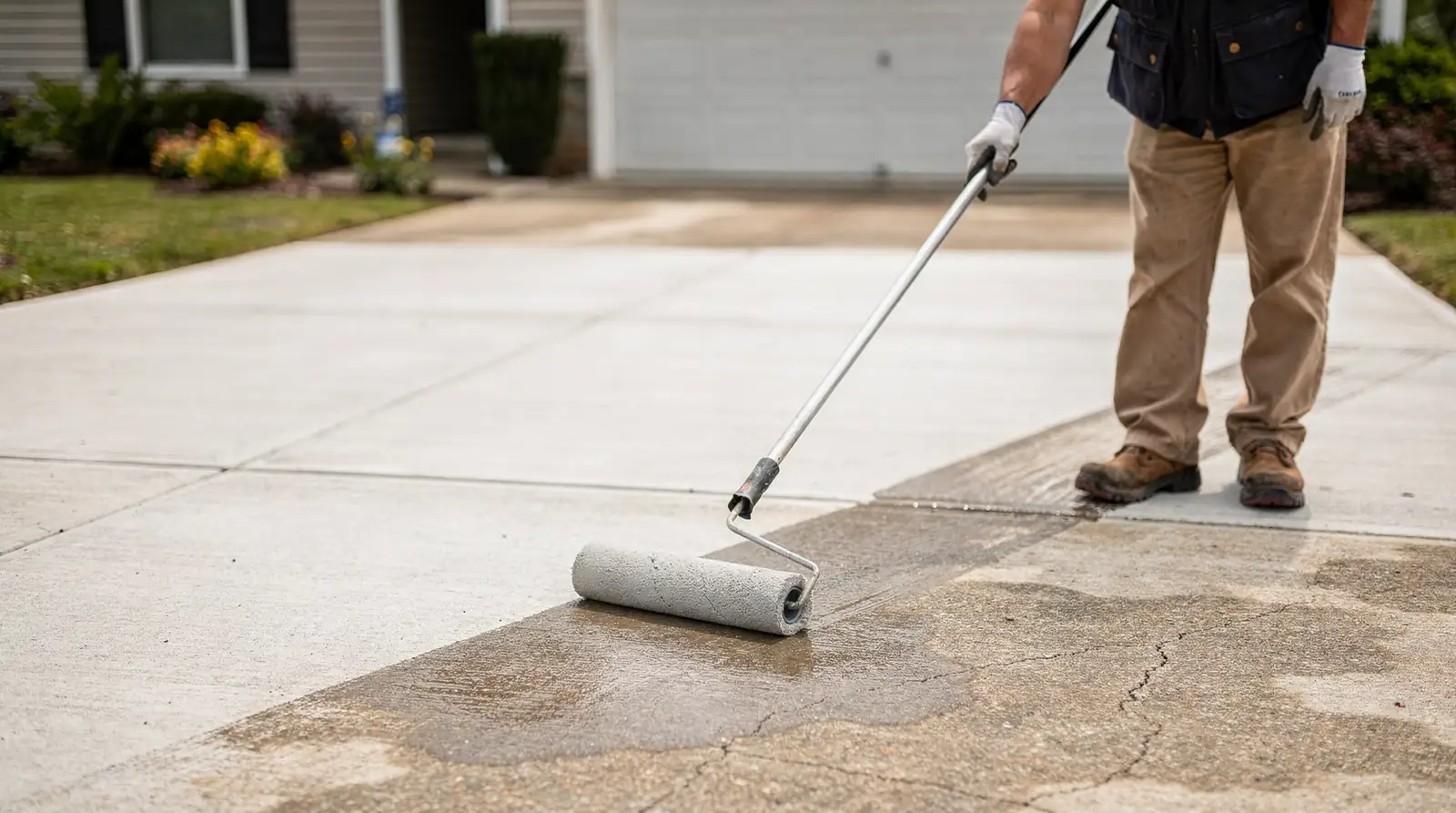
Sealing locks out moisture, deicing salts, and UV degradation, and it forms the core of effective concrete driveway maintenance Virginia homeowners rely on. Projects typically begin with a consultation and estimate, followed by detail-oriented installation and sealing. This final barrier slows surface wear and keeps the driveway looking newer longer. Homeowners who delay sealing lose that protective window and face earlier repairs.
Frequently Asked Questions
How long does a concrete driveway last in Virginia?
25–30 years with standard homeowner care. Freeze-thaw cycles pose the greatest threat. Poor drainage and an inadequate stone base cause structural cracks that no surface maintenance fixes. Some concrete driveways endure up to 50 years or more. ## Conclusion A concrete driveway in Virginia lasts between 25 and 30 years, and with professional base preparation, proper thickness, and regular sealing, that service life extends well beyond the typical range. Homeowners who invest in quality installation and stay ahead of freeze-thaw damage protect their property value and avoid costly replacement for decades.